
Basement waterproofing and perimeter drains
Wet Basement in Elizabethtown, KY? Trace the Water, Then Choose Perimeter Drains or Outside Fixes
Water on a basement floor can come from the ground, the gutters or the plumbing. This page helps you sort out which, and explains how perimeter drains and outside fixes differ.
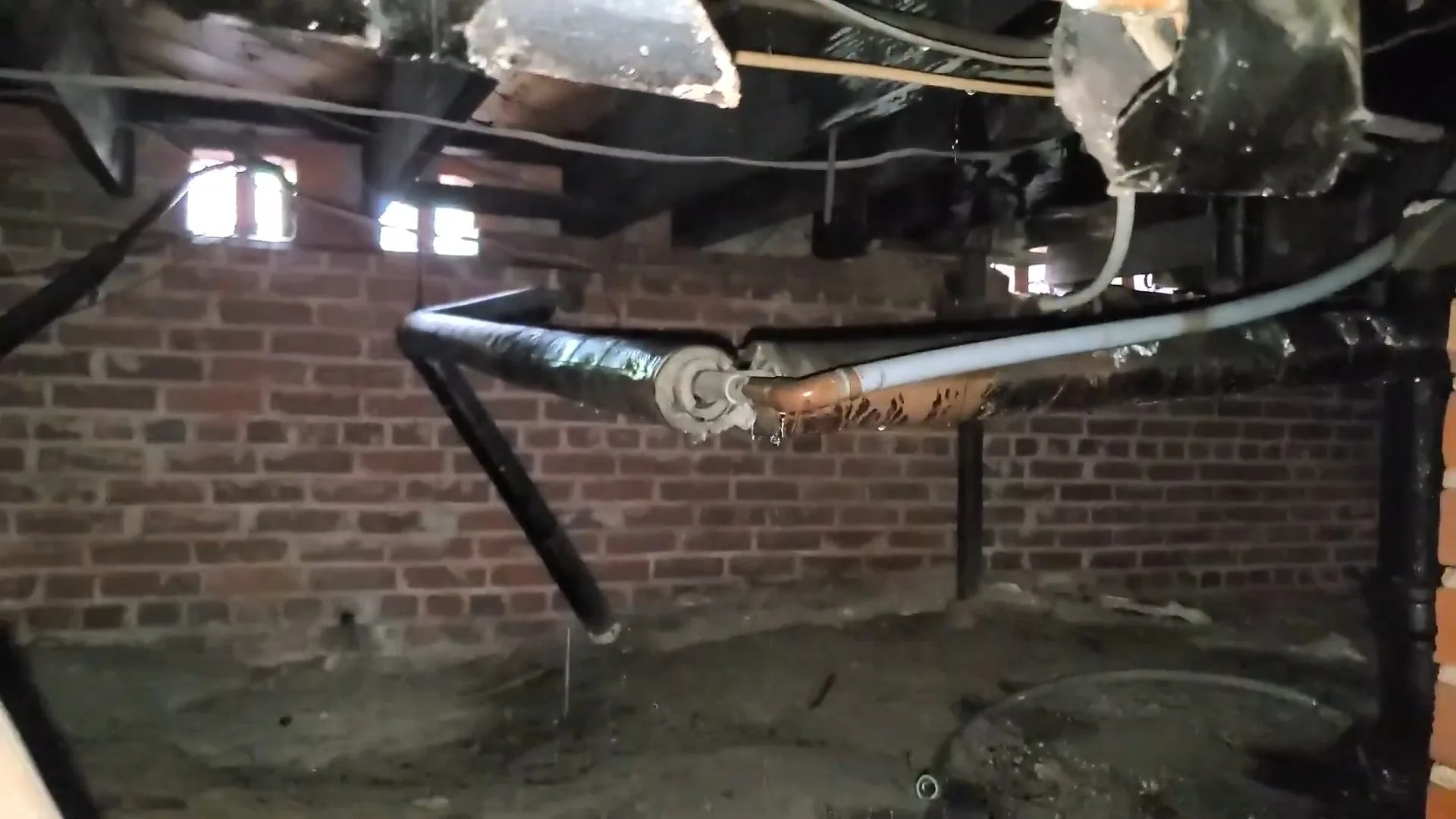
Water keeps showing up in the basement: find out where it enters
Basement water comes from only a few places, and each one needs a different answer. A drain that backs up from the sewer is not waterproofing. A leaking supply pipe is not waterproofing. Sorting the source first keeps you from paying for the wrong fix.
- Along the floor and wall joint. Water pushed up by ground saturation.
- Through the wall. Cracks or porous block.
- Around windows or window wells. Poor drainage outside.
- From a drain. A floor drain backing up from the sewer.
- From a pipe. A supply, heater or appliance leak.
Note when it happens: after rain, after snowmelt, after laundry or without any pattern. The timing separates drainage from plumbing.
Is it the ground, the gutters or the plumbing? A quick diagnosis
| Pattern | Likely source | Where to look |
|---|---|---|
| Wet after rain only | Surface water or high ground water | Gutters, downspouts, grading, wall cracks |
| Wet after snowmelt | Frozen ground sending water toward the foundation | Same, plus window wells |
| Wet after using the washer or tub | Drain or sewer backup | Floor drain and main line, see clearing a blocked floor drain |
| Wet all the time in one spot | A pipe leak or a spring-like source | Supply lines, heater, appliance connections |
| Damp air and condensation | Humidity, not a leak | Ventilation and dehumidification |
A moisture reading and a look at the outside drainage often settle the question before any digging.
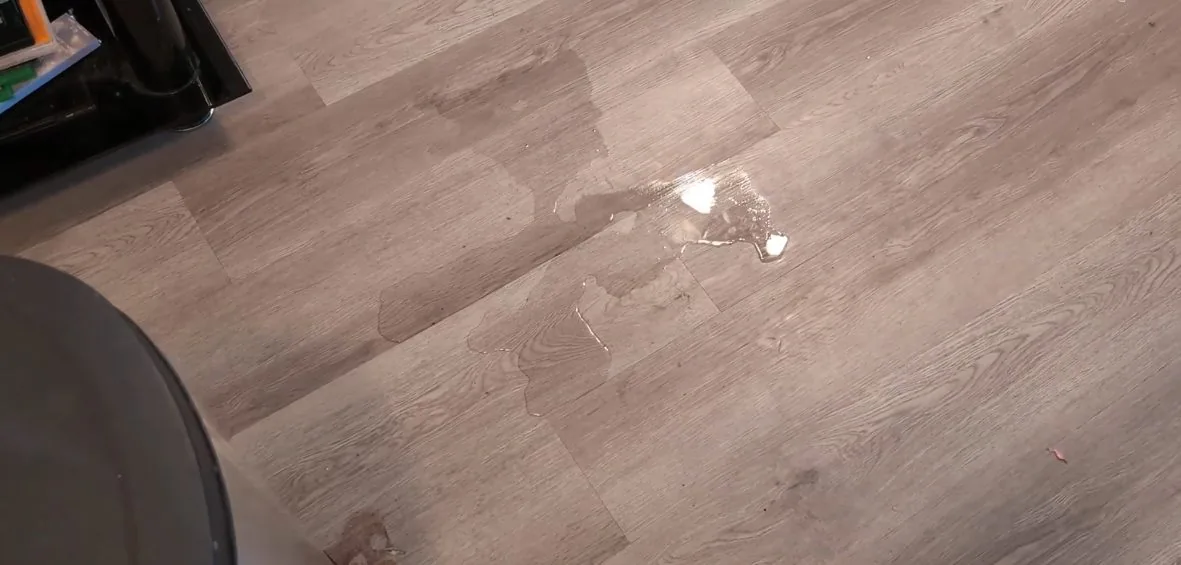
Start outside: gutters, downspouts and grading
The simplest way to keep water out of a basement is to keep it away from the foundation. Many wet basements are helped by outside work alone, and a plumber or contractor should rule it out before proposing anything larger.
- Gutters that are clean and sloped, with downspouts that discharge well away from the wall.
- Ground that slopes away from the house for several feet.
- Window wells that drain and have covers.
- No planting beds or mulch that hold water against the wall.
If the outside water is handled and the basement still takes in water, the next step is looking at drainage around or beneath the foundation.
Interior perimeter drains and exterior drains: how each works
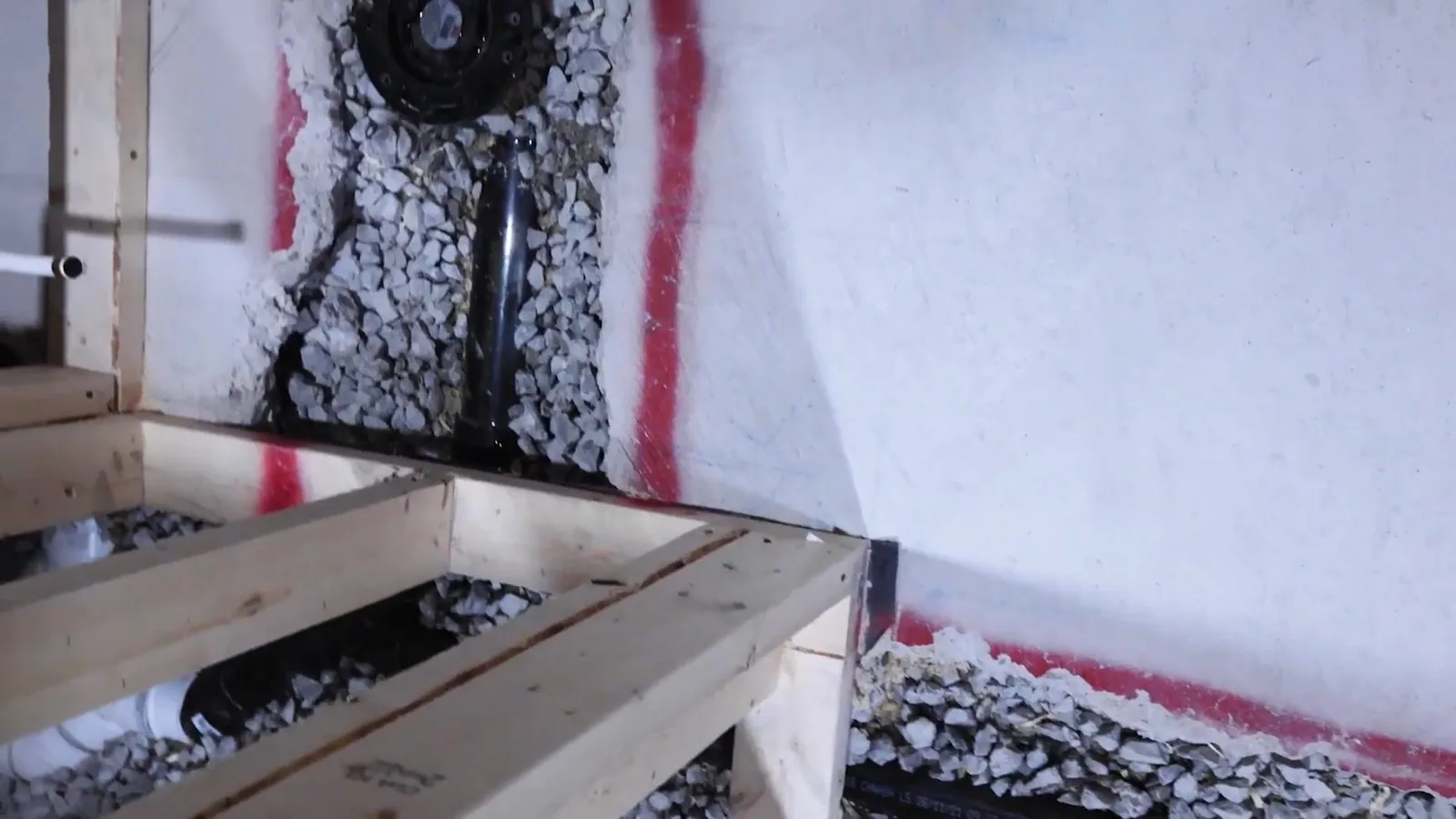
A perimeter drain is a pipe set in gravel that collects water at the footing and carries it away. It can be installed inside the basement or outside around the foundation, and each has trade-offs.
| Interior perimeter drain | Exterior drain | |
|---|---|---|
| Where it goes | Beneath the basement slab along the walls | Outside the foundation at footing level |
| Digging | Cutting and removing a strip of the floor | Excavating around the house |
| What it does | Collects water that gets under the floor | Keeps water from reaching the wall |
| Disruption | Inside the basement | Yard, landscaping, driveways and decks |
| Good to know | Needs a place for the water to go | Access can be limited near additions or hardscape |
The water collected has to go somewhere: to a low outlet on the lot or to a pump. Ask where it will discharge and what happens if the power goes out.
Basement cracks: when sealing helps and when it signals pressure
Cracks are a symptom. Sealing one can help if the cause is minor, but a crack that keeps growing, widens or shows horizontal movement points to pressure on the wall, and a plumber is not the right person to judge it.
- Hairline cracks that stay dry may only need monitoring.
- Cracks that leak after rain can sometimes be sealed from the inside.
- Horizontal cracks or a wall that bows inward need a structural evaluation.
- Sealing a wall does not remove the water pushing against it.
If a crack is changing, photograph it with a ruler next to it each month. That record helps whoever evaluates it.
Karst and limestone ground in Hardin County
Hardin County sits on mapped karst terrain, according to the Kentucky Geological Survey. In karst country, water moves through fractures and openings in limestone, and surface water can disappear underground in one place and reappear in another. For a basement, that means the water you see is not always coming from the lot around it.
Because of that, the footage, moisture readings and the pattern after rain matter more than assumptions. Digging for exterior drains should be preceded by a Kentucky811 call, and Kentucky law requires notice before most excavation under KRS 367.4911. Ask whether a geotechnical or structural opinion is warranted if the foundation shows movement.
Water already inside: cleanup and mold risk
Waterproofing stops future water, but it does not dry what is already wet. Damp carpet, stored boxes and wall materials can grow mold. Dry them before finishing the basement or covering a wall.
The page on drying a flooded basement explains the steps, including what to remove and how moisture is measured. Run a dehumidifier in a damp basement and keep stored items off the floor.
- Move stored items onto shelves or pallets.
- Check the base of walls for stains and bubbling paint.
- Keep a log of when water appears and what the weather was.
Questions to ask before you sign for waterproofing
- Where is the water entering, and how do you know?
- What is being done outside before anything is done inside?
- Where will the collected water discharge?
- What happens during a power outage?
- What will be left of the floor, walls and yard when the work is done?
- What does the warranty cover and what voids it?
Waterproofing is a significant project. Get the diagnosis in writing, compare more than one opinion for large jobs and make sure each quote covers the same scope.
Damp air, condensation and musty smells without a leak
Not every damp basement has water coming in. Warm, humid air meets cool concrete and condenses, and the surface looks wet even though nothing is leaking through. Cold water pipes sweat the same way in summer.
- Dry a patch of wall or floor, tape plastic sheeting over it and check a day later. Moisture under the plastic means water is coming through. Moisture on top means condensation.
- A dehumidifier and better air movement handle condensation.
- Insulating cold water pipes stops them from dripping.
- A musty smell with no visible water still deserves a look behind stored items and along the base of walls.
Telling condensation from seepage prevents a drainage project that would not have solved the problem.