Hydro jetting services
Hydro Jetting for Elizabethtown, KY Drains: Scour the Pipe Wall When Clogs Keep Returning
If a line clears and then clogs again, the pipe wall is probably still coated. This page explains what high-pressure jetting does, when it fits and when a camera should come first.
Clogs that return after every cleaning are what jetting is for
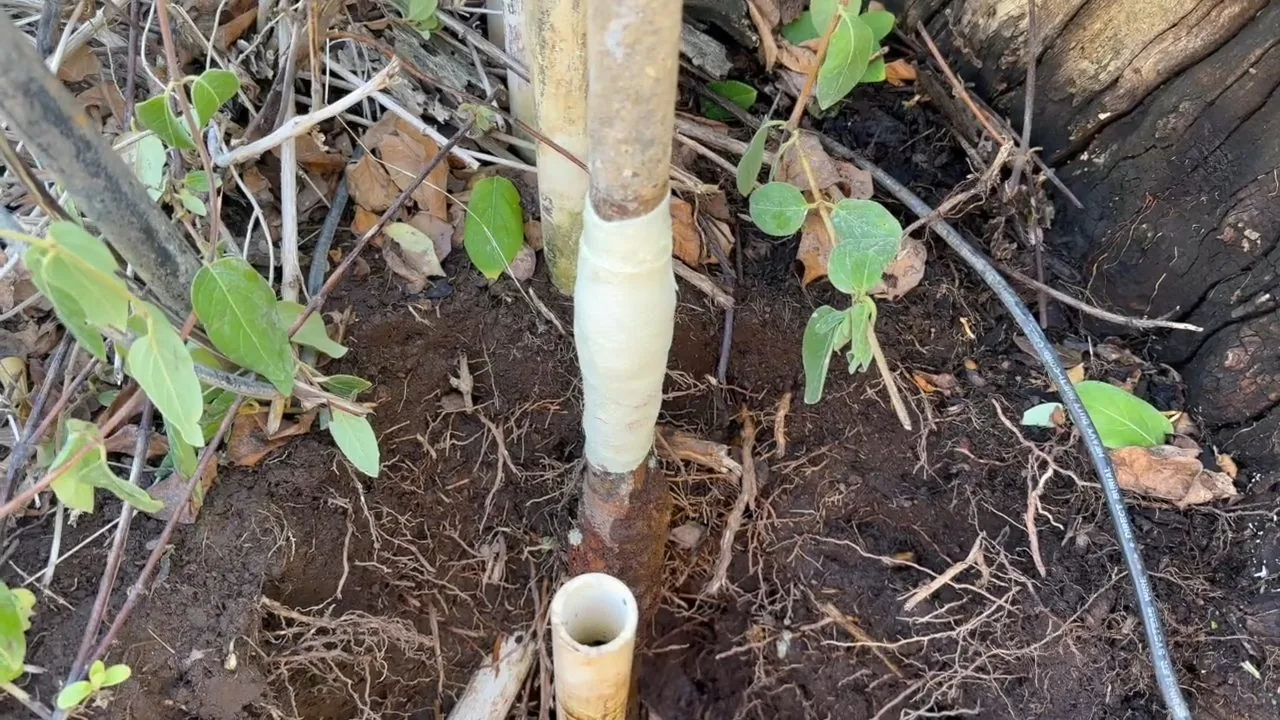
Most drain visits punch a hole through a blockage. The pipe wall around that hole stays coated, so the opening can narrow again within weeks. Hydro jetting is built for that situation, and it is a different service from a standard drain visit.
- A drain that clears for a short time and slows again.
- A kitchen line coated with grease that a cable cannot fully remove.
- Roots or scale that return after each cleaning.
- A main line serving a restaurant or a larger household that clogs on a schedule.
- A line you have been told is clear that still drains slowly.
If a drain is stopped completely and sewage is backing up, the first step is usually clearing it, with jetting considered afterward.
How hydro jetting cleans a pipe
A jetting machine pumps water at high pressure through a hose with a specially shaped nozzle. Jets point backward to pull the hose forward and forward to break up what is in front. As the hose is drawn back, the spray scours the whole inner wall.
- The plumber finds a cleanout or an access point and checks the line with a camera.
- The hose goes in and the nozzle works down the line, breaking the blockage.
- The hose is pulled back slowly while the water scours grease, scale and roots off the pipe wall.
- A second camera pass confirms the line is clean and checks for damage the cleaning exposed.
The difference from cabling is the pipe wall. A cable cuts a channel. Jetting cleans the circumference.
Jetting versus snaking: which one your drain needs
| Cable or snake | Hydro jetting | |
|---|---|---|
| Best for | A single stoppage in a fixture or branch line | Grease, scale or root buildup along a longer run |
| What it leaves behind | A channel through the clog with the wall still coated | A cleaned pipe wall |
| Typical situation | Slow sink, tub or toilet | Repeat clogs, kitchen lines, main lines |
| Pipe condition | Works on most pipes | Needs a sound pipe, which a camera confirms first |
| Where to read more | See everyday clog removal | This page |
Neither service is better in the abstract. A single hair clog in a tub does not need a high-pressure machine, and a grease-coated kitchen main does not need another cable pass.
When jetting is not the right call
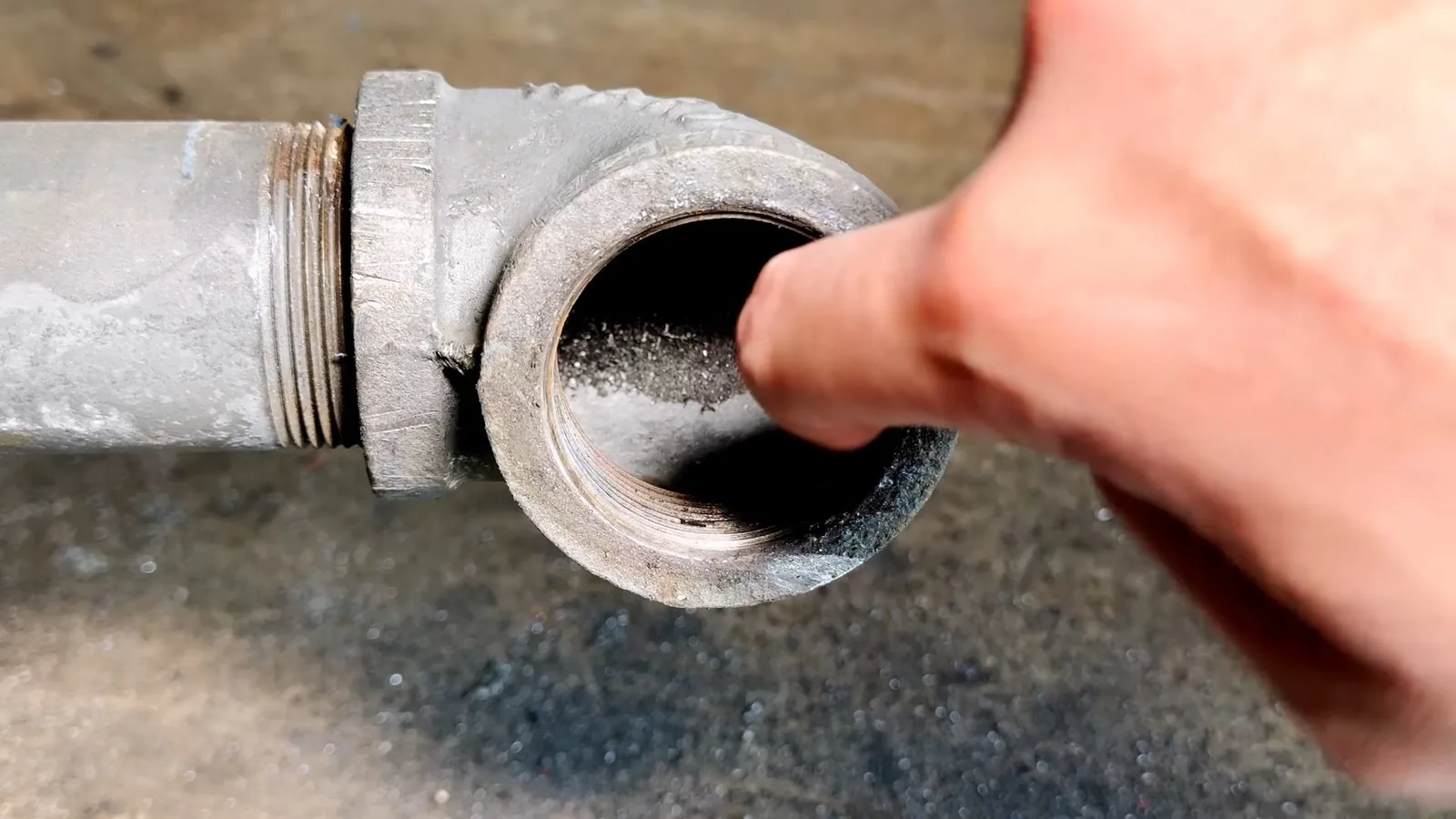
High-pressure water is the wrong tool for a pipe that is already failing. A line with a crack, a collapsed section or badly corroded cast iron can be damaged or opened up further by the spray. That is why the camera pass comes first.
- A crushed or collapsed pipe needs repair, not cleaning.
- A heavily corroded cast iron line may shed scale that blocks it again quickly.
- A pipe with a belly holds water regardless of how clean the wall is.
- A joint that has separated lets the jet spray into the surrounding soil.
If the footage shows damage, the next step is the repair path on the sewer line repair and replacement page, not another round of cleaning.
Line clogs again and again?
Call and tell us how often it backs up and when it was last cleared.
Restaurants and shops: jetting as scheduled maintenance
A commercial kitchen line can build up a grease layer faster than a home line, and the cost of a backup is a closed kitchen. Many operators put jetting on a routine rather than calling after a failure.
If you run a food business, tell us how often the line backs up, whether you have a grease trap or interceptor, and how long it has been since the line was cleaned. Those answers help set a spacing between visits that matches how much fat your kitchen sends down. The trap itself is a separate item from the line behind it.
Roots, scale and older pipe
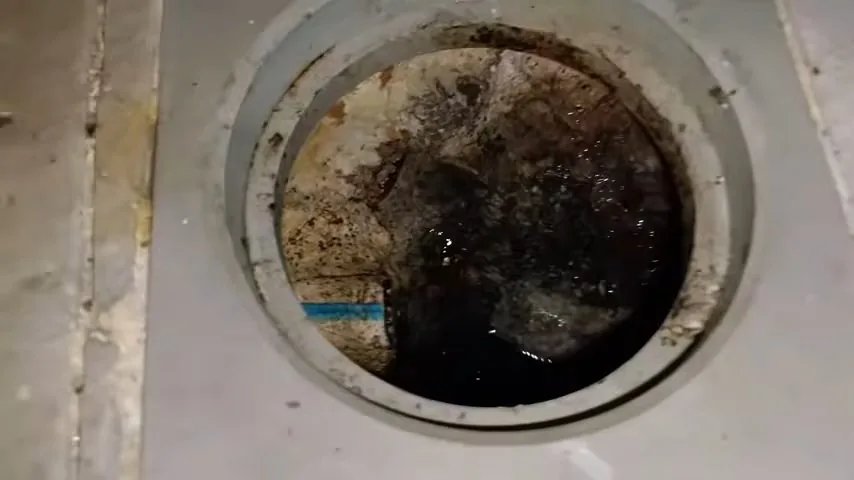
Roots are drawn to the moisture in a sewer line and enter through joints and cracks. Jetting clears the roots out of the pipe, but it does not close the entry point. A line with roots will usually see them return unless the joint is repaired or the pipe is lined.
Older cast iron and clay lines also collect scale and rough spots that catch paper and debris. Cleaning improves flow, and a camera run afterward shows whether the pipe is sound enough to leave as is. If it is not, a lining may be an option, and the trenchless lining option is explained on its own page.
What to tell us when you call
- Which fixtures drain slowly and how long it has been going on.
- How many times the line has been cleared and when the last visit was.
- Whether you know where the cleanout is.
- Whether the property is a home, a rental or a food business.
- Anything that went down the drain recently, such as grease or a toy.
A caller who can answer these gets a clearer picture of whether the visit is a cable job, a jetting job or a camera visit first.
Why renting a pressure washer or pouring in a cleaner is not the same thing
Jetting machines for drains run at pressures and flow rates that a garden-store pressure washer does not match, and the hose and nozzle are built for the inside of a pipe. Used wrongly, a hose can kink back, push debris into a worse spot or force water through a weak joint. The camera pass is what tells the operator how hard to work.
Chemical cleaners are a separate story. They sit in a pipe that is not moving, can damage some pipe materials and leave a hazard for the next person who opens the line. If you have already used one, say so when you call, so the plumber can wear the right protection.
What the days after jetting should look like
A properly jetted line drains faster and quieter, and the smell that came with a coated pipe usually fades. If a fixture is still slow, the cause may be a trap or branch rather than the main, and a follow-up check should find it.
- Run each fixture for a minute and watch how quickly it clears.
- Listen for gurgling when another fixture drains.
- Keep the camera recording or saved clip so you can compare it with a future visit.
- Note the date, so you can tell the plumber how long the line stayed clear.
Tracking how long the line stays clear is the best evidence of whether the interval you chose is right. If a line is clean for months and then slows, the next cleaning can be scheduled around that gap.