
Drain cleaning and clog removal
Elizabethtown, KY Drain Cleaning and Clog Removal: Clear the Line, Then Find Out Why It Clogged
A sink that will not empty, a tub that gurgles or a floor drain that fills when you run the washer: this page explains how to tell what is blocked and what a clearing visit includes.
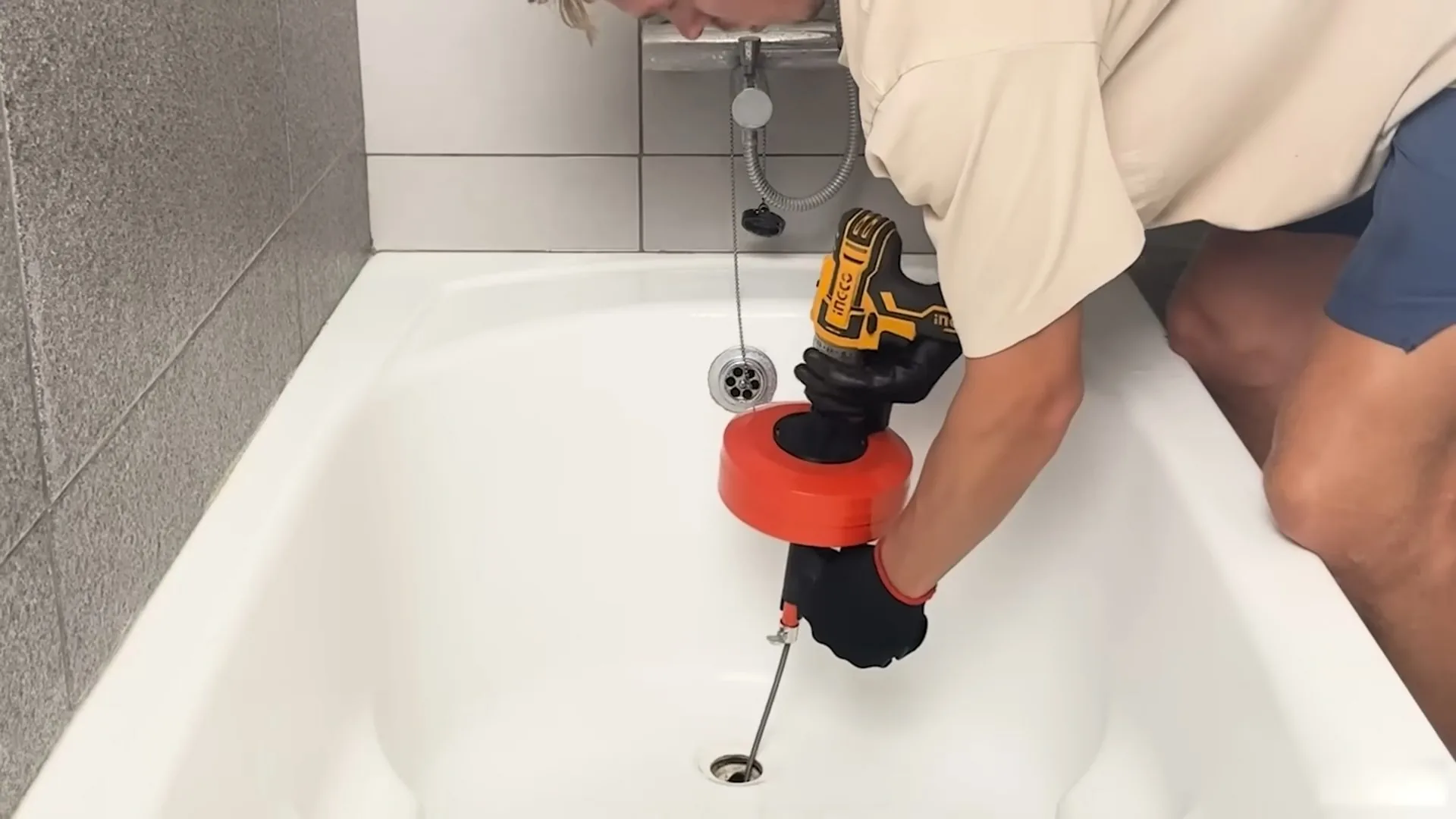
Water is backing up right now: what to do before the plumber arrives
A drain that has stopped moving water usually fails in one of two ways. A single fixture is slow or standing, or several fixtures act up together. The difference tells you where the blockage sits, so check it before you pour anything down the pipe.
- Stop adding water. No flushing, no dishwasher, no laundry until you know which drain is blocked.
- Walk the house. Run a little water in the lowest sink, the tub and the toilet. Note which ones gurgle, drain slowly or back up.
- Look at the lowest drain. A floor drain or basement tub that fills when you flush upstairs points to the main line, not the fixture.
- Skip the chemical drain opener. It sits in a blocked pipe and can burn skin or ruin the plumber's tools when the clog is opened.
- Call and describe the pattern. One slow sink and a backed-up lowest drain are two different jobs.
If sewage is coming up into a tub or floor drain, keep children and pets out of the room and keep the water use off until the line is cleared.
One fixture or the whole house: where the clog changes the visit
A blockage in the trap under a sink and a blockage in the line leaving the house look alike at first. They are not the same repair, and knowing which one you have saves a trip.
| What you see | Where the clog usually is | What the visit involves |
|---|---|---|
| One sink or tub drains slowly | In that fixture's trap or branch line | Clearing the branch with a hand or small machine, often from the fixture itself |
| Toilet and a nearby tub both gurgle | In the branch serving that bathroom | Clearing from a cleanout or by pulling the toilet |
| Lowest drain backs up when upstairs fixtures run | In the main drain line | A larger machine through a cleanout, usually followed by a camera check |
| Slow drains that clear and return | Heavy buildup on the pipe wall | Cleaning the pipe wall, not only punching a hole through the clog |
If the clog keeps coming back after a visit, that is the reason to look inside the pipe rather than clear it a third time. The camera step below explains what that adds.
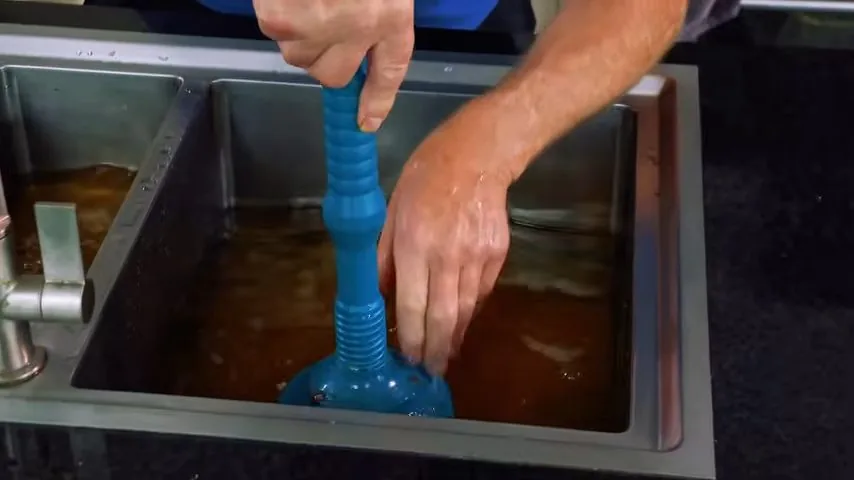
Kitchen sinks and grease: why the same drain clogs every few months
Kitchen lines clog differently from bathroom lines. Cooking fat goes down warm and runs as liquid, then cools on the pipe wall and catches food scraps. Each wash adds another layer until the opening narrows to a trickle.
- Scrape plates into the trash instead of rinsing fat and food into the sink.
- Wipe greasy pans with a paper towel before washing.
- A garbage disposal grinds food but does not stop fat from coating the pipe beyond it.
- A kitchen line that clears with a snake and slows again within weeks usually has a coated pipe wall, not a single clog.
When a kitchen line keeps repeating, ask whether the visit can include cleaning the whole run. The page on jetting the grease off the pipe wall explains that option and when it fits.
Drain camera inspection: seeing the pipe instead of guessing
A small camera on a flexible cable runs through the drain and shows the inside of the pipe on a screen. It turns an argument about what is wrong into something you can both see.
A camera is worth asking for when a drain has been cleared more than once, when more than one fixture backs up, when the house is older, or before anyone proposes digging. What it can show:
- Roots that have entered through a joint.
- A pipe that has sagged so water sits in a low spot.
- A crack, a broken joint or a collapsed section.
- Scale or buildup that narrows the pipe.
- A foreign object such as a child's toy or a wipe that has not dissolved.
Ask to see the footage or a saved clip before agreeing to anything larger than clearing the line. If the recording shows damage, that is the point to read the page on what happens when the line itself is damaged.
Basement and floor drains: when the problem sits below the house
A floor drain is the lowest opening in the plumbing system, so it is the first place sewage or water shows up when a line is blocked. A basement floor drain that bubbles when you run the washer is telling you the line past the drain is not moving the water.
A floor drain can also hold water because the trap dries out, which causes smell without a blockage. Pour a quart of water into a drain that has not been used for weeks. If the smell goes, the trap was dry. If water rises, the line is partly blocked.
A drain at the bottom of exterior basement steps is a different problem. It carries rain, not household wastewater, and a clog there can put water against the door.
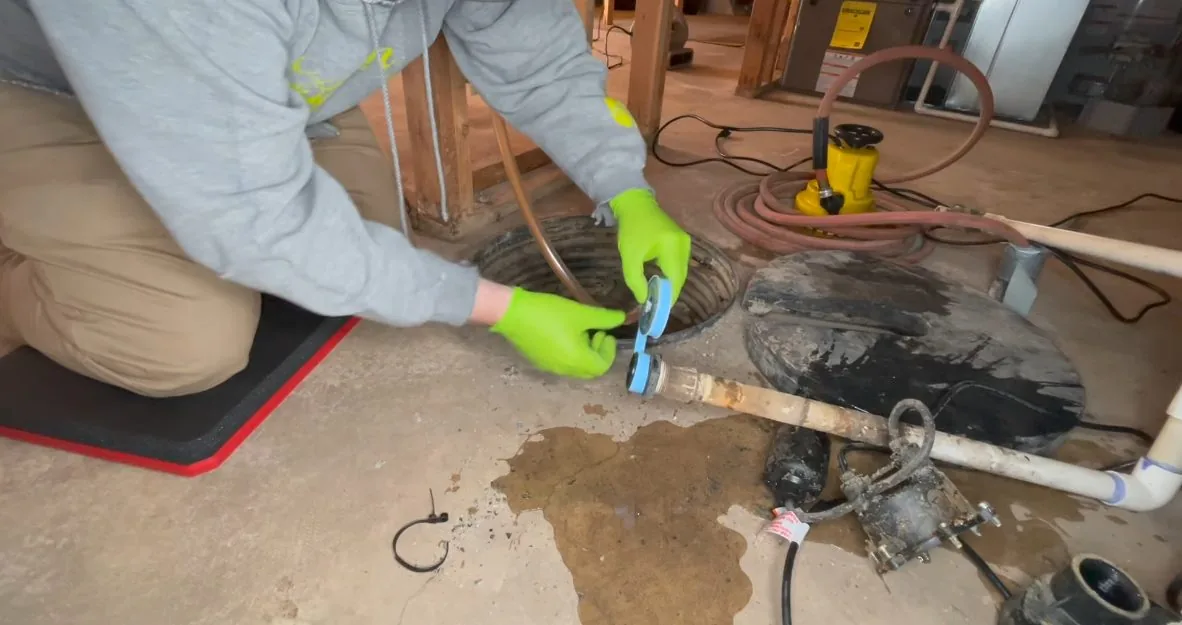
Storm drains, French drains and yard drains
Not every drain carries household water. A storm drain collects roof and yard runoff, and a French drain is a perforated pipe in a gravel trench that moves groundwater away from a foundation or low spot. Leaves, silt and roots narrow them, and a drain that is partly blocked can look fine until a heavy rain.
- Check downspout connections and the outlet where the pipe leaves the yard.
- A yard that stays wet days after rain may have a blocked or collapsed drain line.
- A clean-out cap in the lawn can usually be opened for a camera or a machine.
- Standing water along a foundation is a reason to look at drainage before it reaches the basement.
Where the water is reaching the foundation, see how keeping water out of a basement ties the drains to the wall.
Restaurants, shops and commercial kitchens
Commercial kitchens put far more fat and food into the drains than a home does, and a stopped line closes the kitchen. Grease traps and interceptors need regular attention, and the floor drains downstream of a prep sink can back up even when the trap looks fine.
If you run a restaurant, tell us what is draining slowly, whether the trap or interceptor was recently emptied, and which fixtures are affected. A repeated backup is a reason to schedule line cleaning on a routine rather than waiting for the next closure. Kitchen exhaust drains, floor drains and grease lines are all part of that conversation.
Keeping drains clear between visits
Small habits stretch the time between clogs. None of them replaces a visit when a line is already blocked, but they reduce how often the line fills.
- Use drain strainers in showers and tubs. Hair is the most common bathroom clog.
- Flush toilet paper only. Wipes labeled flushable do not break down the way paper does.
- Run hot water for a minute after washing dishes.
- Do not put coffee grounds, rice or pasta in the disposal.
- Mention a new slow drain early, while it is still a small job.
If you are not sure whether to call, the answers to common plumbing questions cover what people ask most often before booking.