
Gas line repair
Smell Gas? Leave First, Then Plan Gas Line Repair and Leak Detection in Elizabethtown, KY
A gas smell means leave the house and call 911 or your utility. Once the home is cleared, this page explains how leaks are found, repaired and tested.
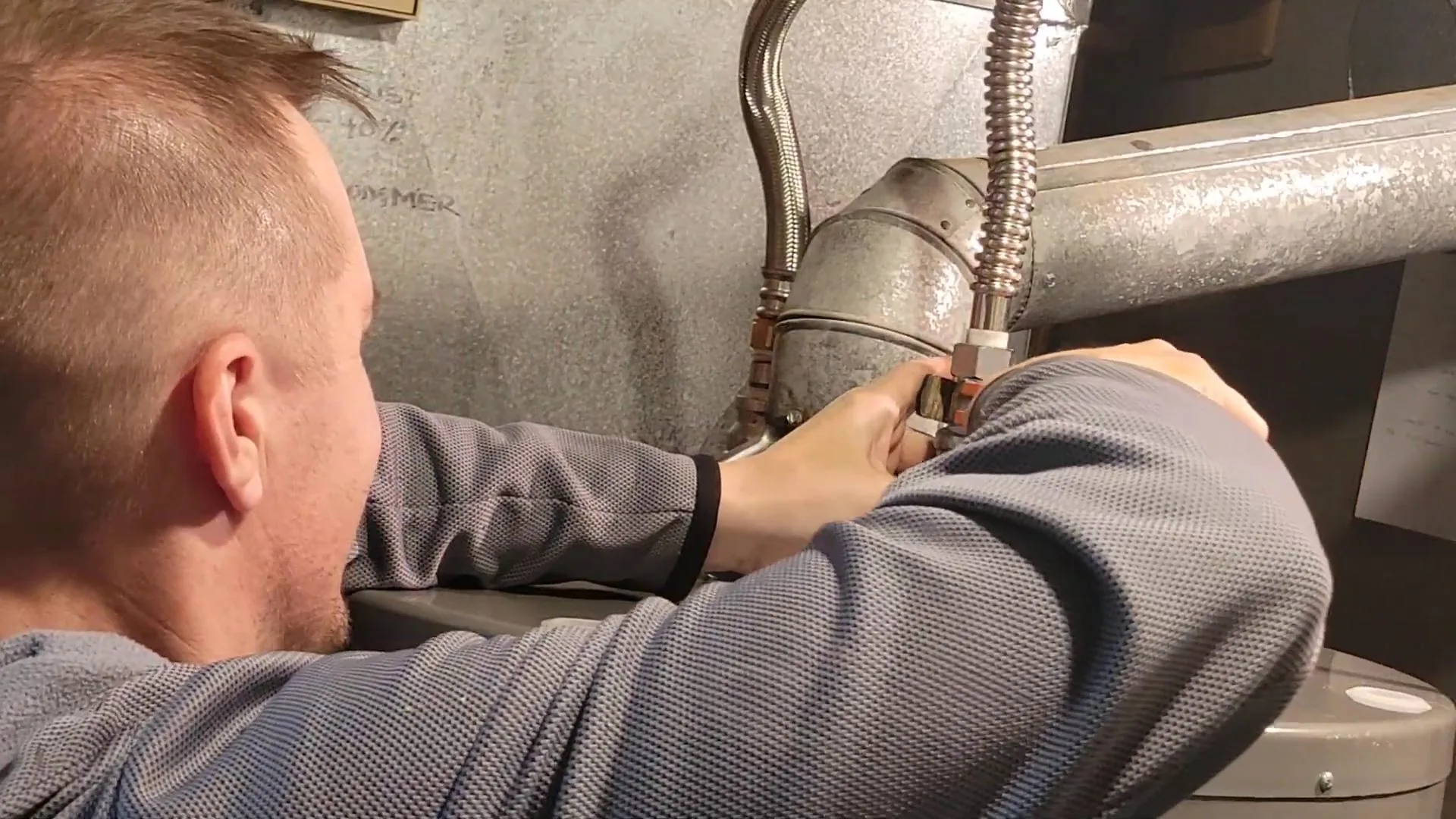
You smell gas: leave first, plan the repair later
A gas smell is a safety problem before it is a plumbing problem. Gas can collect indoors, and any spark can ignite it, including a light switch.
- Do not switch anything on or off. That includes lights, garage doors and phones inside the house.
- Get everyone out, including pets, and leave the door open if it is safe to do so.
- Call 911 or your gas utility from outside. The company on your gas bill has an emergency line.
- Stay out until the utility says it is clear. Do not go back for belongings.
Call a plumber only after the utility has cleared the house. Until then, the plumber cannot safely work.
Where gas piping fails in a house
| Location | What goes wrong | Who usually fixes it |
|---|---|---|
| At the meter or regulator | Leaks at fittings or a damaged regulator | The gas utility |
| Buried line from meter to house | Corrosion or a break from digging | A plumber, after the utility confirms its side |
| Inside the walls or crawl space | A loose fitting or corroded section | A plumber |
| Appliance connector | A worn flexible line or loose connection | A plumber or appliance technician |
If you cannot tell which side of the meter a leak is on, the utility will tell you. Call them first. If the leak is on the house side, the repair is yours, and the plumber should not start until the utility has cleared the scene.
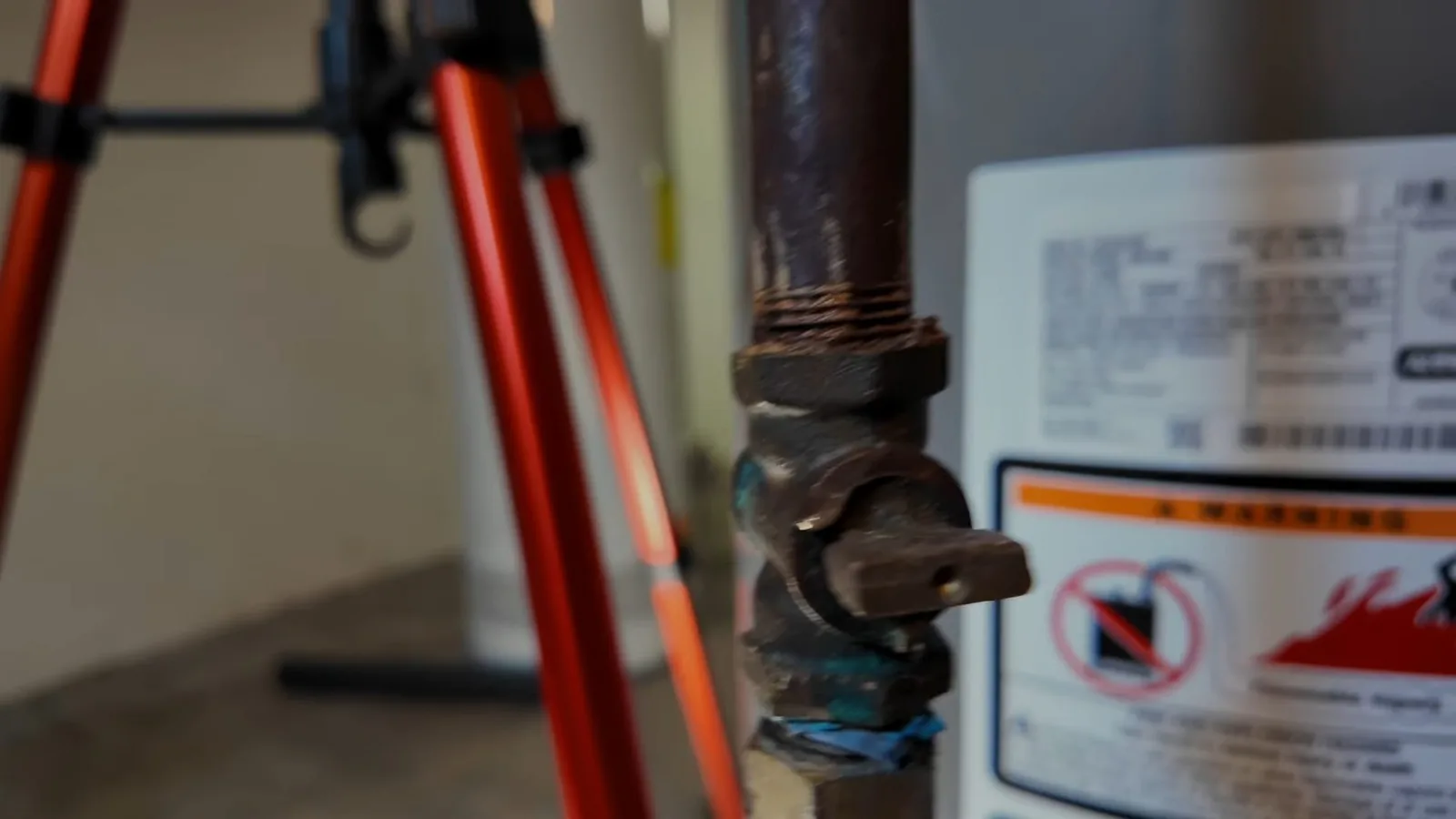
What a repair visit covers
A gas line repair is more than swapping a part. The plumber has to confirm where the leak is, repair it and then prove the system holds.
- Locating the leak with approved detection equipment, not a guess
- Repairing or replacing the failed section or fitting
- Pressure testing the line after the repair
- Checking the appliances the line feeds, including connectors
- Documenting what was done for the permit and for your records
If the plumber cannot explain how the leak will be located and tested, ask for a written description before work begins.
Permits and inspection for gas piping in this area
Elizabethtown Planning and Development reviews and inspects most construction under the state codes, and its page lists plumbing inspectors at the Hardin County Health Department, 270-769-3071. Gas piping work is a good reason to call that number before the job and ask who issues the permit and who inspects.
Radcliff and Vine Grove have their own local building inspectors, according to a Kentucky contact list last updated in 2020. A house in either town may be in a different office's hands, so ask where your address falls. Be cautious of anyone who says that gas work needs no permit without checking.
Utility already cleared the house?
Call and tell us what they found and what needs repair.
Buried gas lines and Kentucky811
If the repair means digging in the yard, Kentucky811 has to be called first. Kentucky law requires notice to the one-call center before most excavation, and the call brings the utility to mark its lines. Hitting a gas line is dangerous, so do not dig on your own.
Ask the plumber who will place the call and how long they will wait for the marking. For more on what to expect with underground work, see the underground sewer work page, which covers the same dig-notice steps.
Adding or moving a gas appliance
New gas lines come up when a range, dryer, fireplace or water heater is added or moved. The pipe has to be sized for the load, tested and inspected, and the appliance has to vent properly.
- A gas water heater swap often raises line size and venting questions, covered on the water heater installation page.
- A tankless unit can need a larger gas line, which the tankless water heater page explains.
- A new range or dryer hookup needs a shutoff valve and a tested connection.
Ask for the pipe size and how it was calculated, not just the price.
Signs of a slow gas leak and what to do about them
Not every gas leak announces itself with a strong smell. Small leaks at fittings or connectors can go unnoticed for a long time. These signs deserve a call to the utility, not a wait-and-see approach.
- A faint rotten-egg odor near an appliance or meter that comes and goes
- A hissing or whistling sound near a gas pipe
- Dead or dying plants over a buried line in an otherwise green yard
- A gas bill that jumped with no change in use
- A burner flame that is yellow or orange instead of blue
The utility can check the meter side and tell you whether the leak is on its side or the house side. If it is the house side, that is when the repair work on this page comes in.
Why gas repairs are not a do-it-yourself job
Tape, sealants and homemade fixes can hide a leak instead of stopping it, and a gas fitting that looks tight can still leak. A repaired line has to pass a pressure test, where a gauge is watched to confirm the line holds without losing pressure.
That test, and the inspection that follows where one is required, is what separates a repair from a hope. Ask for the result in writing, with the date and the pressure used.
Carbon monoxide is a separate risk
Gas appliances that burn poorly can produce carbon monoxide, which has no smell. A working carbon monoxide detector on each floor is standard safety advice. If a detector sounds, leave the house and call 911.
A plumber can check that an appliance vents correctly, but a detector is what warns you. Replace the batteries on the schedule printed on the unit.
Questions about the permit, leak test and Kentucky811 call
- Has the utility cleared the house?
- How will the leak be located and tested?
- Who pulls the permit, and who inspects?
- Will the plumber call Kentucky811 for any dig?
- What will be tested after the repair, and what will I receive in writing?
Utility has cleared the house?
Call and tell us what the utility found, which appliances are affected and where the smell was strongest.