
Burst and broken pipes
Elizabethtown, KY Burst Pipe Repair: Shut the Water Off, Then Fix the Failed Section
Water spraying from a pipe, a ceiling bulging with it or a wall suddenly wet: stop the flow first, then call. The steps below buy time and limit the damage.
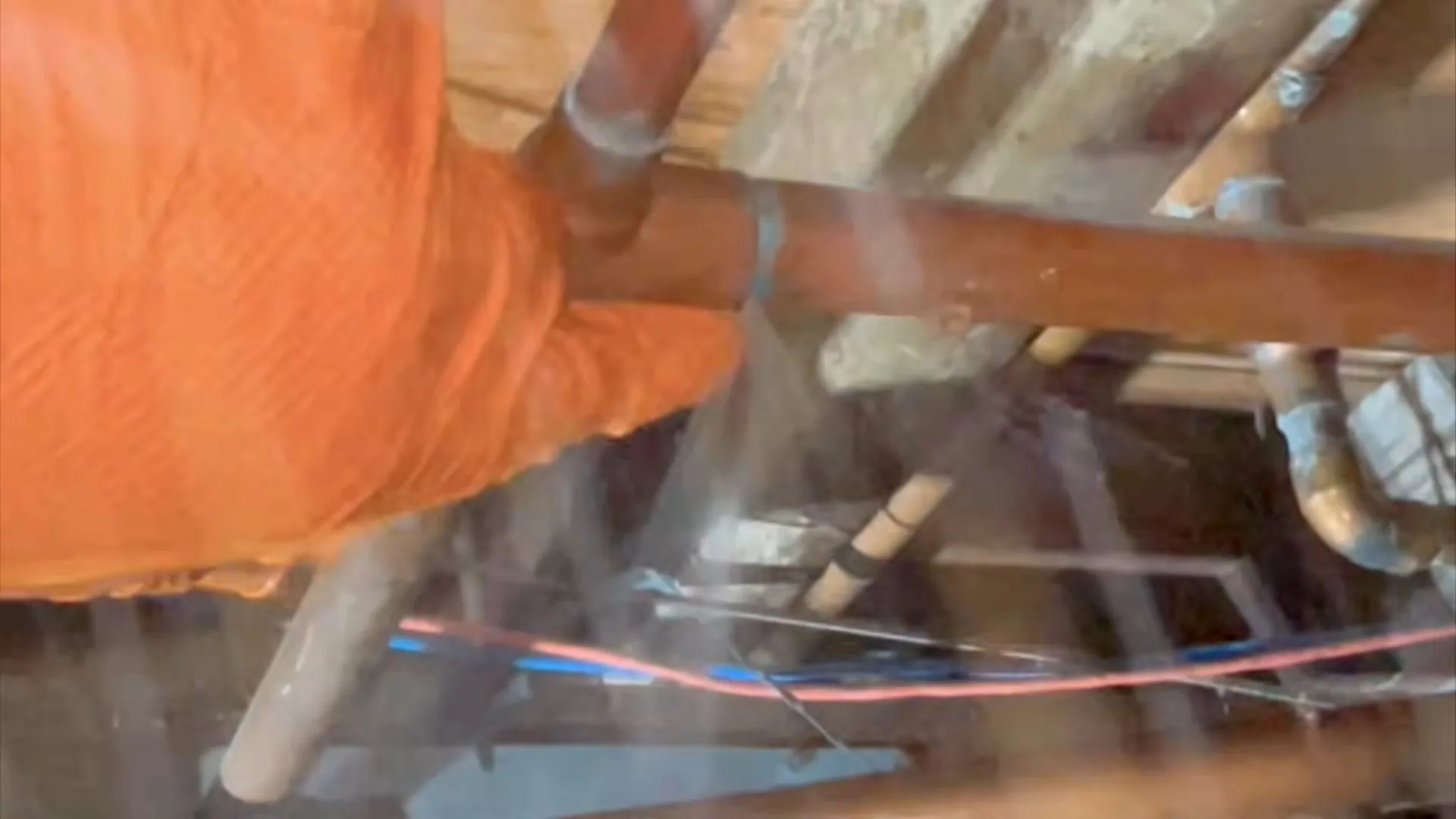
The pipe has already burst: your first ten minutes
A pipe that has split can release a lot of water quickly, and every minute it runs soaks more drywall, insulation and flooring. Do these in order, then call.
- Close the main shutoff. Turn the valve where the line enters the house clockwise until it stops. If it will not turn, the valve at the meter box near the street belongs to the water utility, so tell them when you call.
- Open the lowest tap and one high tap. This drains the lines and relieves pressure on the break.
- Cut power to anything the water is reaching. Use the breaker, not a wall switch, and only if the panel is dry and you are standing on dry ground.
- Move what you can. Lift rugs, electronics and boxes off the wet floor. Leave built-in cabinetry and wet drywall for the cleanup crew.
- Photograph the water, the pipe and the damage before anything is moved, then call.
If water is coming through a ceiling, stay out from under it. A wet ceiling can drop without warning.
Frozen, corroded or hit by a shovel: what broke the pipe changes the repair
Two pipes can both be gushing and need different fixes. The cause tells the plumber how far the damage runs, so describe what you saw before the break, not only where the water is.
| What happened | What you usually notice | What the repair has to deal with |
|---|---|---|
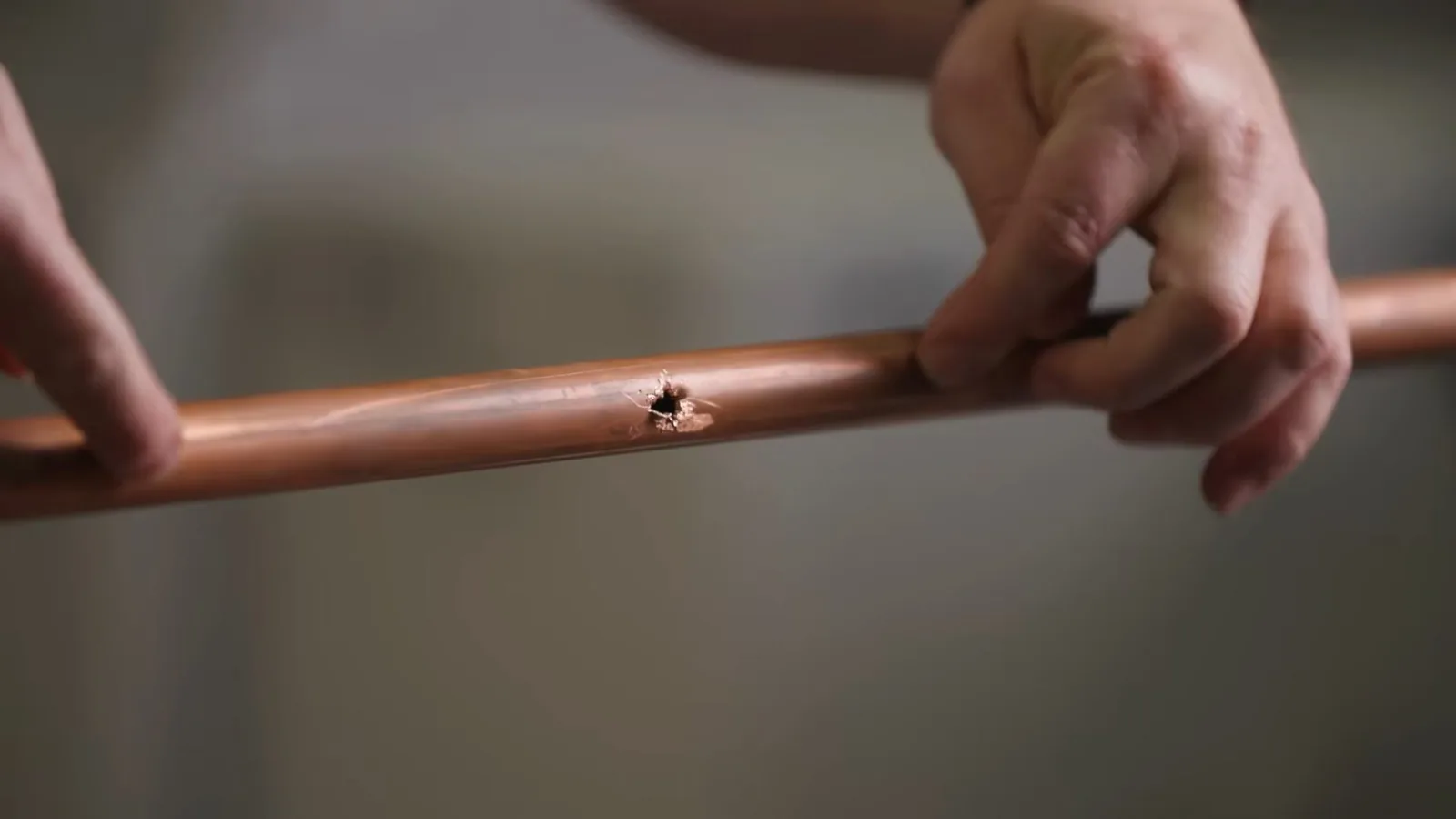
| Frozen pipe split | Water appears after a hard freeze, often when the pipe thaws | A split along the pipe wall, plus other sections that froze but have not leaked yet |
| Old or corroded pipe | Pinhole spray or a leak at a joint, repeated in other spots | A weak section that sits next to more weak pipe |
| Mechanical damage | Break right after digging, drilling or a nail through a wall | A cut or crushed section, usually a clean local fix |
| Pressure or fitting failure | A fitting or connector pops or weeps | Replacing the failed fitting and checking the ones beside it |
If the answer looks like corroded pipe, ask the plumber to show you the failed section and to check the rest of that run. One failure is often a sign of how the rest of the pipe is holding up.
Frozen pipe repair: thaw it, then look before the water comes back on
A frozen pipe that has not yet split is a warning. The ice itself can hide a crack until it melts and water starts to flow.
- Keep the tap open. As the ice melts, flowing water also helps melt the rest.
- Warm the pipe slowly with a hair dryer or warm towels, working toward the faucet. Never use a torch or any open flame.
- Check the thawed run for drips, bulges or hairline splits before you reopen the main valve.
- If any pipe in a wall or ceiling has frozen, expect to check the neighboring pipes, because cold does not stop at one section.
Frozen-pipe damage often turns up in basements, crawl spaces, garages and exterior walls, where the pipe sits outside the heated space. If the same wall freezes more than once, ask the plumber about moving the pipe or adding insulation instead of only patching the split.
What a repair visit should cover, and what to ask for
A good repair fixes the break and tells you about the pipe around it. Before work starts, ask for these four things in writing or on the work order.
- The cause of the break, in words you can repeat to an insurer or landlord.
- The section being replaced, with its length and material, so you can compare quotes.
- A pressure check after the repair, before the wall or floor is closed.
- What else was inspected and any other pipe the plumber would watch.
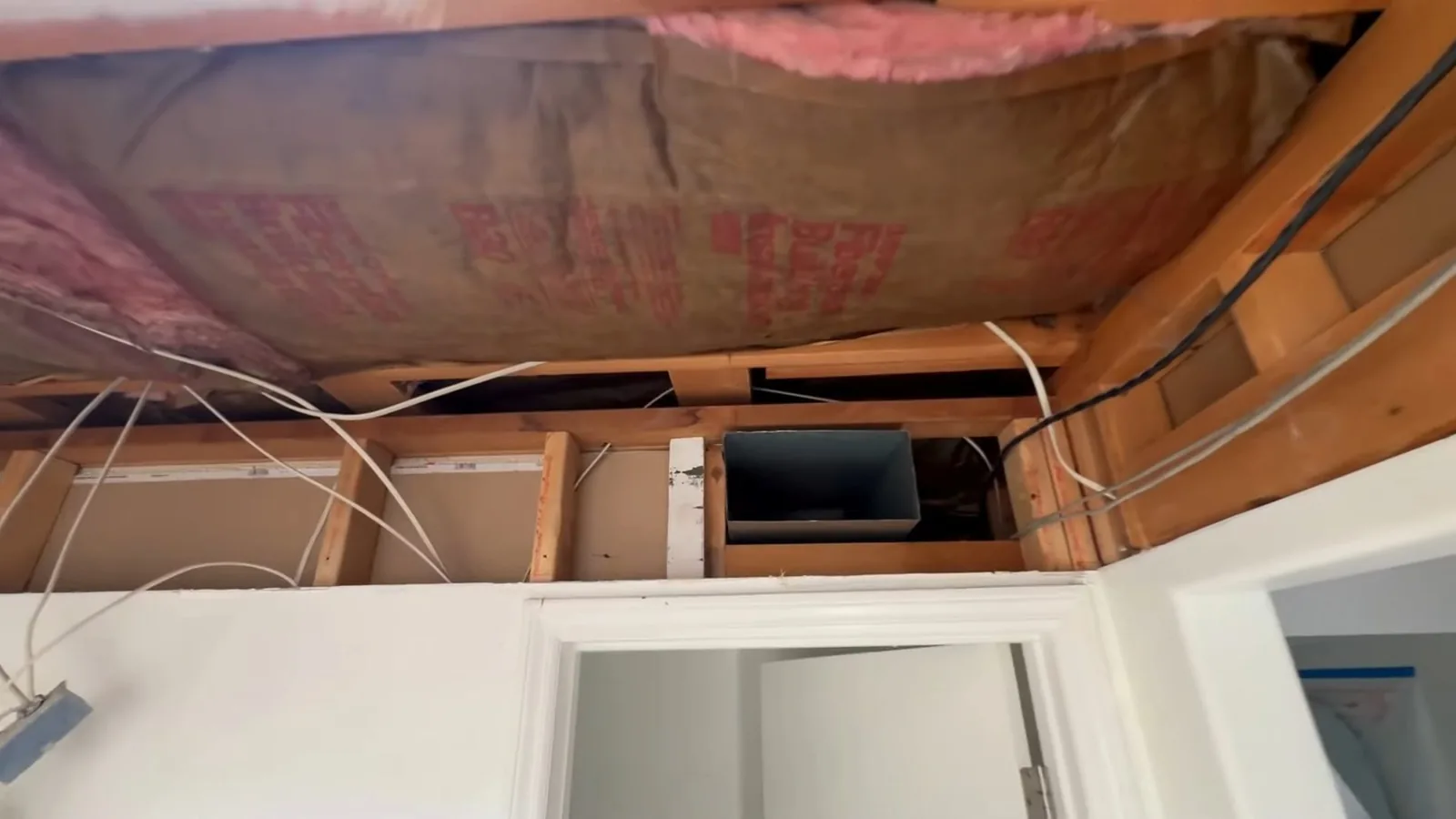
If the pipe is behind a finished wall, ask how the opening will be left. Plumbers usually leave the opening rough, and drywall finishing is typically a separate trade. Knowing that before the cut avoids surprises.
Ask too whether the repair needs a permit or inspection. Elizabethtown Planning and Development lists plumbing inspectors at the Hardin County Health Department, 270-769-3071, and that number can tell you who issues permits for your address.
After the burst: drying and documenting the damage
Stopping the water is the first half. Wet building material left in place can grow mold, so the second half is getting it dry. The page on drying out after a pipe break explains what removal and drying involve and what to tell an adjuster.
Until the crew arrives, keep photos of the original wet condition, list damaged items with rough age, and save any parts the plumber removes. Do not throw away flooring or drywall until your insurer has seen it or told you that you can.
A burst from a hidden leak is a different job
If the pipe has been dripping for weeks before it let go, the question becomes where else it has leaked. A visit built around locating a hidden leak answers that.
Yard lines, the curb valve and Kentucky811
Some breaks are outside the house, in the line between the meter and the home. The valve at the meter is the utility's, not yours, so a leak you can hear in the yard needs a call to the water utility for the meter side and a plumber for the house side.
Digging to repair a buried line means calling Kentucky811 first. Kentucky law requires notice to the one-call center before most excavation, and the call covers the gas, electric and other buried lines that may cross the trench. The plumber should place that call. If someone offers to start digging today without it, ask why.
Renting or owning: who calls, who pays
Roughly half of Elizabethtown homes are owner-occupied (49.3% in Census figures for 2020 to 2024), so many callers are tenants. If you rent, tell your landlord or property manager at once and ask who is authorizing the repair. Do not agree to a repair in your own name unless the landlord has told you to.
For owners, call your insurer before major demolition, not after. Ask what they need documented, and whether they want to see the damaged section. Keep the failed piece of pipe if the plumber can leave it with you.
When one burst points to a bigger problem
A single clean break from a freeze or a shovel is a one-time repair. A second or third failure in the same house is different. At that point the useful question is whether the plumbing needs replacing the supply piping instead of another patch, and the page on that decision lays out how to tell.
For that conversation, ask the plumber to pressure test the line and look at the other pipes within reach, and to write what they found on the work order. Commercial buildings are outside what this page covers; if your property is not a home, say so when you call.