
Repiping
Pinhole Leaks Again? Whole-House Repiping in Elizabethtown, KY and When It Makes Sense
A third leak, brown water at the tap or pressure that has faded across the house: this page explains how to tell whether the pipe is failing and what a repipe involves.
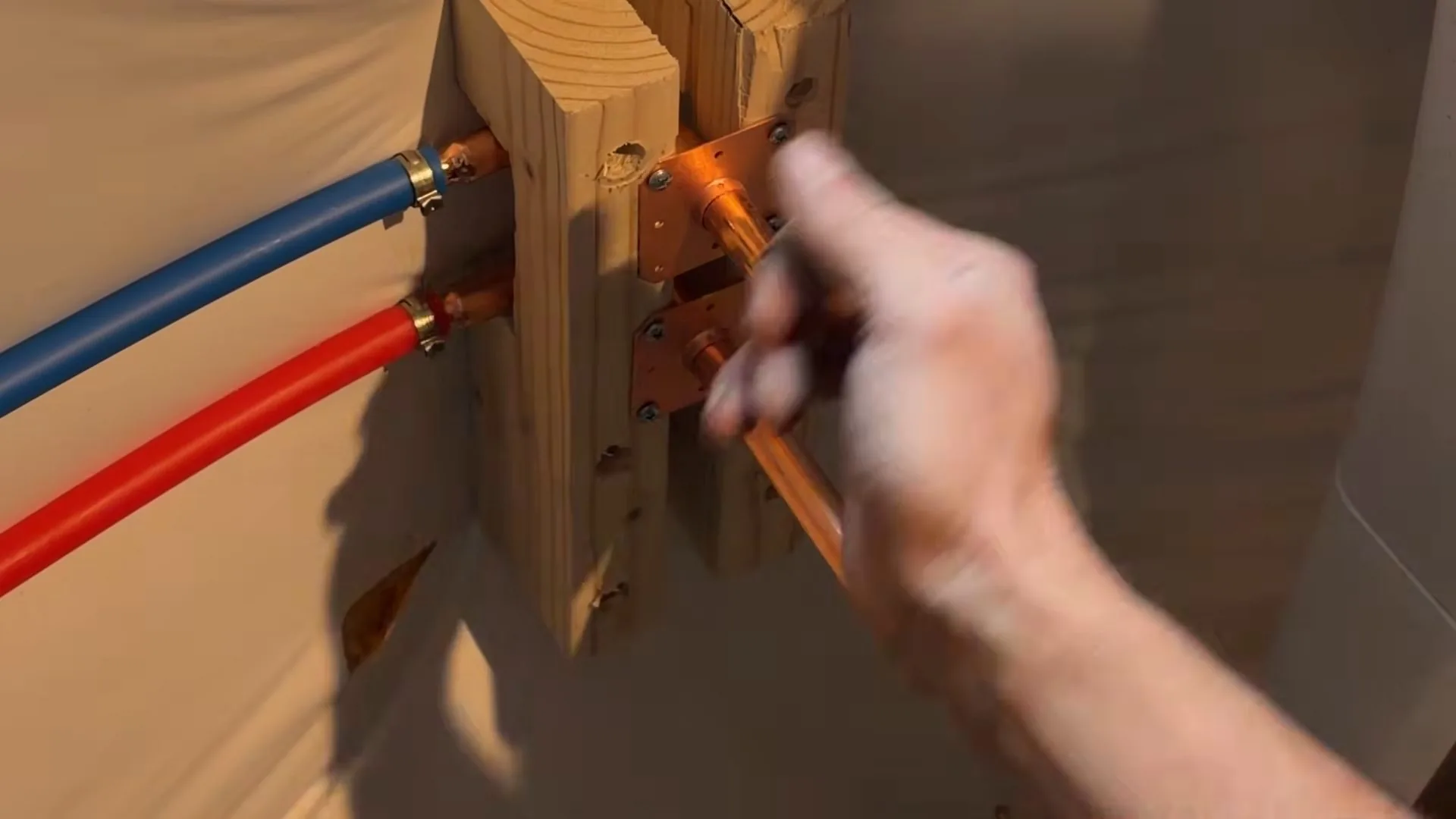
Third leak in two years: when patching stops making sense
One leak is a repair. A second leak in the same system is a pattern. By the third, the question is no longer how to fix this leak. It is whether the pipe behind the wall is the problem.
Repiping means replacing the home's supply lines, usually with new plastic or copper. It is a big job, and a plumber who recommends it should be able to show you why. Take one claim at a time and ask to see the evidence.
What failing supply pipe looks like
| Pipe material | Signs of trouble | What it usually means |
|---|---|---|
| Copper | Pinhole leaks in several places, green or white crust, pitted sections | Thin walls from corrosion; more pinholes are likely |
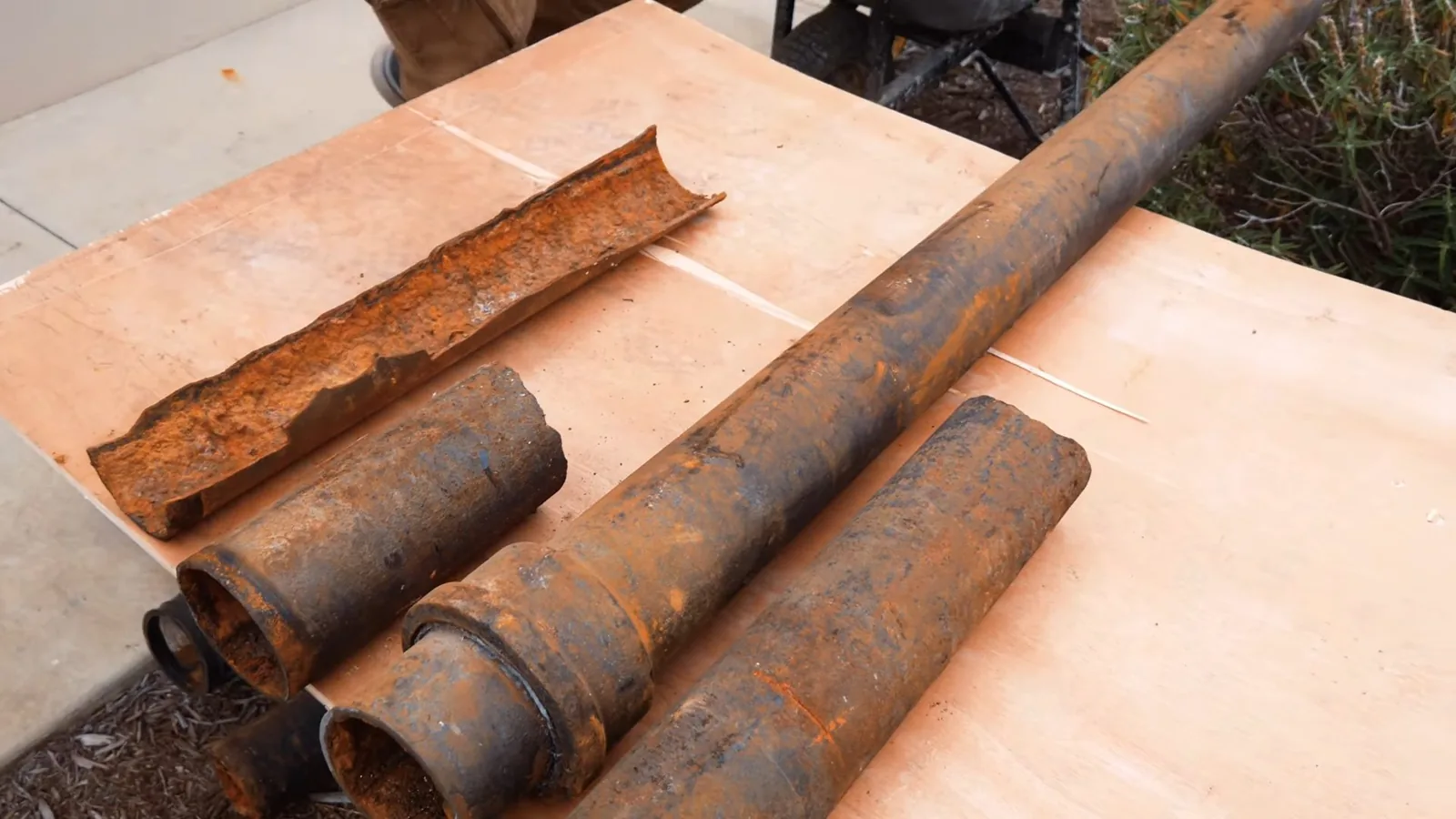
| Galvanized steel | Brown or rusty water, falling pressure, pipe that is rough inside | Interior buildup choking the line; leaks often follow |
| Gray plastic from an older era | Brittle fittings, leaks at connections | Material and fittings are at risk and worth a plumber's look |
| Mixed materials | Leaks near transitions, mismatched fittings | Previous repairs may have used the wrong connectors |
Your home may not contain any of these. If you are not sure what the pipe is, a plumber can usually identify it in a basement, crawl space or at a meter.
PEX repiping: what it is and what it needs from the house
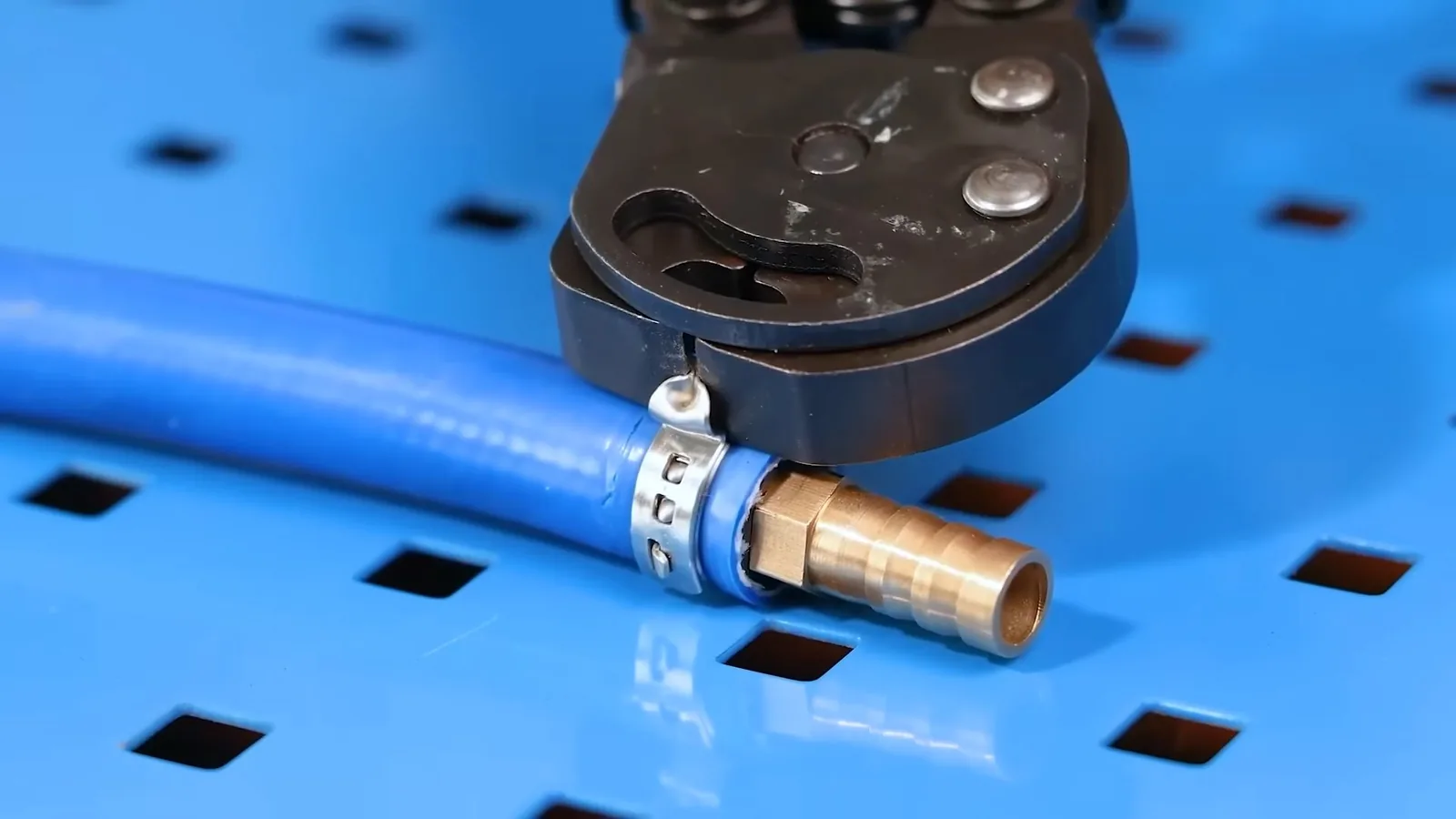
PEX is flexible plastic tubing used for water supply. It runs in long lengths with few joints, so it needs fewer openings in walls than rigid pipe. That is the main reason it is common in repiping.
It is not right for every house. Ask the plumber where the new lines will run, how many walls or ceilings need openings, what fittings will be used and how the pipe is protected where it passes through framing. A good answer is specific to your house, not a general speech about PEX.
Whole house or just the failing section?
Not every failure needs a full repipe. A section that failed because of a nail or a freeze can often be replaced alone. A system that is failing everywhere probably cannot be fixed one leak at a time.
- Whole house: multiple pinholes, widespread corrosion, low pressure at every fixture or a material known to fail.
- Partial repipe: one run or one floor is bad, and the rest tests sound.
- Spot repair: a single failure with a clear outside cause.
Ask the plumber to test pressure and look at pipe from several points in the house before recommending the full job. A recommendation based on one failure is a sales pitch, not a diagnosis.
No water during a repipe: ask for a written schedule
The water is off while pipes are being replaced, so plan for no water for stretches of the day. Ask the plumber for a written schedule that says when the water is off, how long each stage lasts and what openings are made.
- Which rooms will have wall or ceiling openings, and where
- How the water will be restored between work days, if at all
- Who patches the drywall and paint, and when
- What happens to furniture, flooring and fixtures that are in the way
If you rent, the landlord has to authorize this work and should be told about the timeline. If you own, many policies do not pay to replace pipe that has simply aged out, while resulting water damage can be a different matter. Ask the insurer.
Brown or cloudy water: the pipe, the heater or the street?
Discolored water is one of the main reasons people ask about repiping, and it has more than one cause. Rust from old galvanized pipe, sediment from a water heater and work on a main can all change the water's color for a while.
- Brown from every tap, hot and cold: points toward the supply pipe or the main.
- Brown or gritty only from hot taps: points toward the water heater, so see the water heater repair page.
- Brief discoloration after street work: usually clears when you run the cold tap for a few minutes.
Ask the plumber to separate these causes before recommending a repipe. A water heater full of sediment is a much smaller job than replacing every pipe in the house.
Permits and inspection: who to ask in Elizabethtown
Elizabethtown Planning and Development reviews and inspects most construction under the state codes, and its page lists plumbing inspectors at the Hardin County Health Department, 270-769-3071. A repipe is a good candidate for a permit question, so call before work starts and ask who issues it for your address.
Radcliff and Vine Grove have their own local building inspectors, per a Kentucky contact list last updated in 2020, so the right office depends on where the house sits. Do not accept a plumber's statement that no permit or inspection is needed without checking.
The owner's math: value, age and what the pipe has cost so far
Census figures for 2020 to 2024 put owner-occupancy in Elizabethtown at 49.3%, so many households are renters who need the owner's approval, and many others own the walls a leak ruins. For an owner, a repipe protects the drywall, floors and fixtures that repeated leaks damage.
Add up what the leaks have already cost: drywall, flooring, mold work, emergency visits and any insurance claims. Compare that with a written repipe quote. For general ranges, see the page on what drives the price of a job like this.
Before you sign: what a repipe quote should list
- The evidence of failure, shown to you in person
- The pipe material, fittings and any warranty in writing
- Where each line runs and what has to be opened
- Permit, inspection and who pulls them
- Patching: who does it and what is left unfinished
- A schedule with water-off windows
If you are still deciding whether a repipe fits, start with the locating the failing pipe page to find out whether the failures are isolated, or look at a nearby slab leak repair if some lines are under concrete.
Call to talk through a repipe in Elizabethtown
Describe the leaks you have had
Tell us how many, where they happened, what the pipe is made of if you know and what the water looks like when it runs.