
Nature's Trail, Elizabethtown
Plumber in Nature's Trail, Elizabethtown, KY: Wet Yards, Drains and Hose Bibs After Heavy Rain
Wet ground near the park does not always mean a broken pipe. This page helps you sort rain from plumbing and covers yard drains, hose bibs and drying a wet room.
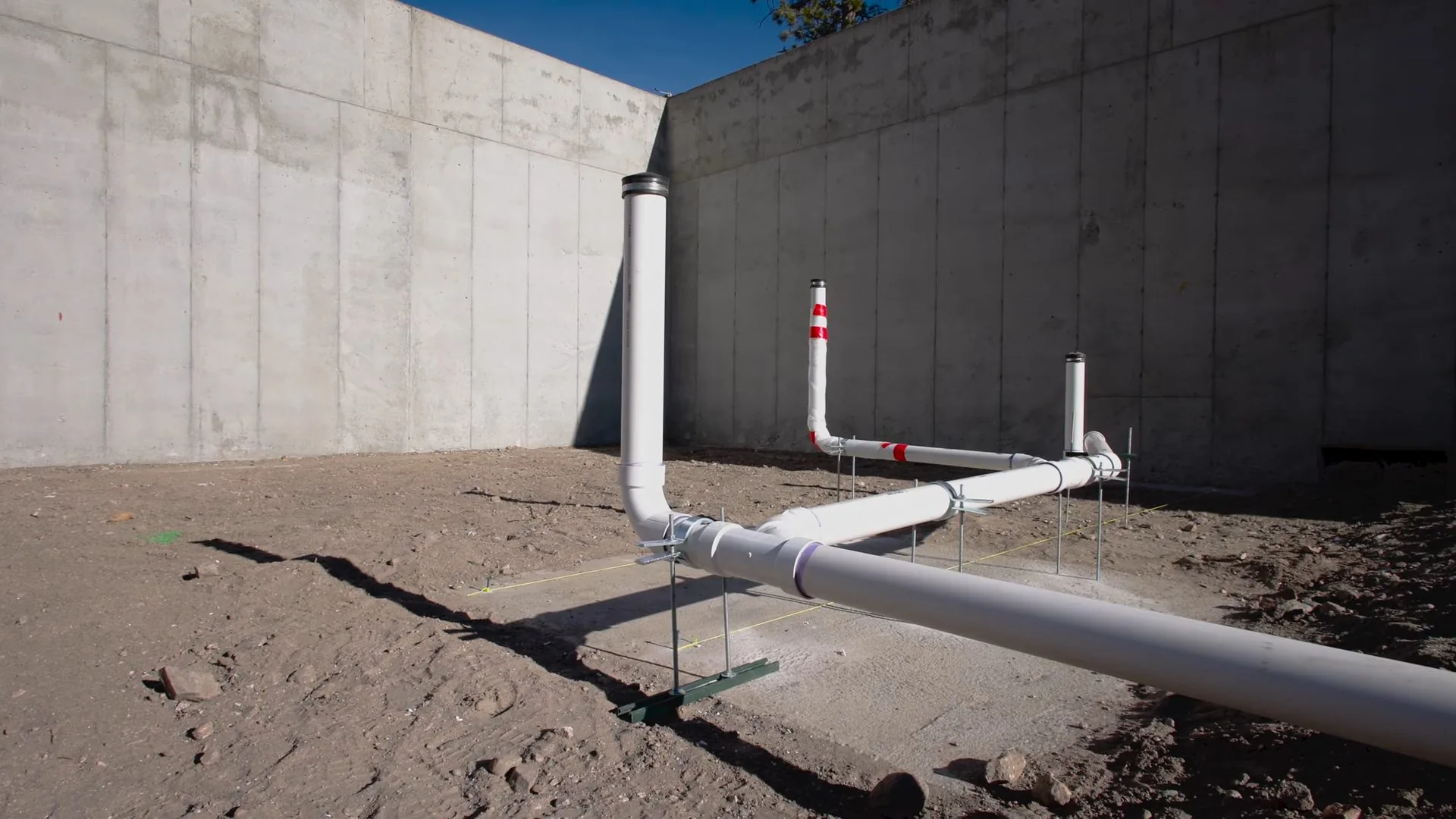
Wet yard, crawl space or basement after rain: pipe or ground?
Near Freeman Lake Park and its trails, wet ground is part of life, and a wet spot after a storm does not always mean a broken pipe. The question is whether the water follows the weather or follows your plumbing use.
- Check the timing. Water that appears after rain and clears in days is probably the ground. Water that appears after the washer or tub runs is plumbing.
- Look at the water meter with every fixture off. A moving meter points to a leak.
- Check the downspouts and where they discharge.
- Photograph the wet area and note the date and weather.
These four checks sort most cases before anyone digs.
Plumbing help for Nature's Trail and ZIP 42701
Nature's Trail addresses fall in ZIP 42701, on the coverage list this site currently uses. The list changes, so give your street address and ZIP when you call and confirm the next step.
If you are near Freeman Lake Park or its Nature Park trails, mention the closest street. It helps place the address quickly.
Limestone, sinkholes and stormwater: how karst changes the checklist
The Kentucky Geological Survey describes Hardin County as karst terrain, with sinkholes, springs and underground streams, where stormwater can move through underground channels and low ground can flood during heavy storms. The Park's 104-acre Nature Park and trail network sit in the same county.
- A low spot that deepens in the yard may be a broken line or natural settling. Camera footage tells which.
- Basement water that follows storms points to drainage, covered on the water entering a basement after storms page.
- Soft ground over a buried line can change how a pipe is bedded in a repair.
These are county conditions, not a survey of any one lot.
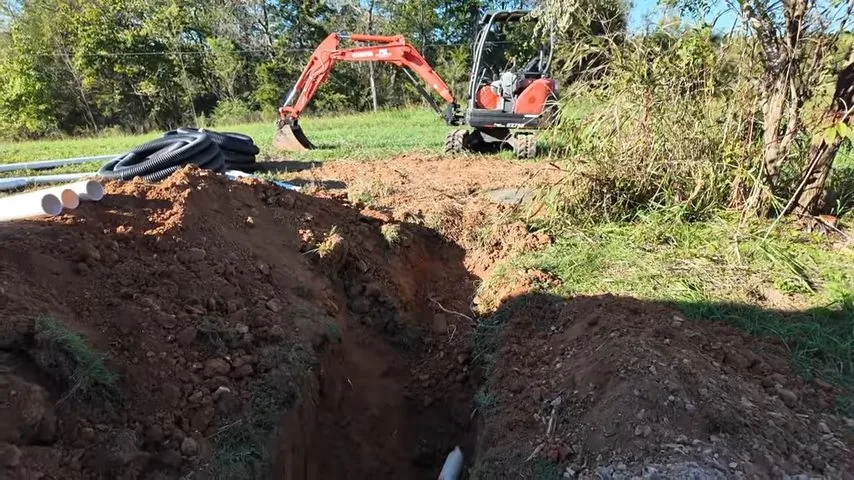
Yard drains, French drains and downspouts that stopped moving water
A storm drain or French drain collects water and moves it away from the house. Leaves, silt and roots narrow them, and a partly blocked drain looks fine until a heavy rain.
- Check the outlet where the pipe leaves the yard.
- Open the cleanout cap if there is one.
- A yard that stays wet for days after rain may have a blocked or collapsed line.
- Standing water along the foundation is a reason to check drainage before it reaches the basement.
Clearing these lines is part of drain clearing for yard and storm lines, and a camera shows what is inside.
Wet yard or basement?
Call, give your address and say whether the water follows rain or plumbing use.
Outdoor faucets, hose bibs and the freeze that splits them
Homes near open ground often have several hose bibs. A bib that drips from the spout needs washers or a new valve. One that leaks inside the wall, often after a freeze, can fill the cavity without any sign outside.
- Disconnect hoses before cold weather.
- A bib that drips only with a hose attached may have a failed vacuum breaker.
- Water inside the wall near a bib means the pipe behind it may be damaged.
The outdoor faucet repairs page covers the fix, and a split behind the wall is a pipe break.
Water already inside: drying before mold starts
Water that reaches carpet, drywall or stored boxes needs to come out quickly. Take photos, lift what you can and keep fans moving. The page on drying a wet room properly explains source categories, drying and what to document for an insurer.
Digging in a karst yard: the 811 call and a second look
Before any trench, Kentucky811 must be called under KRS 367.4911, and the marks must be up before digging. In karst ground, it is also fair to ask what the footage and the soil show before a method is chosen, since voids and soft ground affect how a pipe is bedded.
What to tell us on the call
- Your street address and ZIP.
- Whether the water follows rain or follows plumbing use.
- Whether the meter moves with everything off.
- Where the water appears: yard, wall, floor or drain.
- What you have already shut off.
Those five answers usually decide whether the next step is a leak search, a drain visit or a drainage fix.
Trees, roots and buried lines on a lot near the trails
Properties near wooded ground often have mature trees close to buried pipes. Roots are drawn to the moisture in a sewer or water line and enter through joints and cracks. The first sign is usually a drain that clears and slows again.
- Note where large trees sit in relation to the line from the house to the street.
- A slow drain after a dry spell may mean roots are drinking from the line.
- Cleaning removes the roots but does not close the joint they entered through.
- A camera shows whether the pipe is cracked or only has a joint to seal.
If roots are the cause, a repair or lining is what ends the cycle. Repeated cleaning only resets it.
First-day checklist after heavy rain: rooms, drains and downspouts
- Look in the lowest room for water or damp carpet before it spreads.
- Check floor drains for bubbling or slow draining.
- Walk the outside of the house and look at where downspouts discharge.
- Check the yard for new low spots or soft ground.
- Photograph anything wet before moving it.
- Call if a drain backs up, water enters, or a spot keeps getting softer.
Each place you look tells you something different. Water in the lowest room points to seepage or a backup, a floor drain that bubbles or drains slowly points to the sewer line, and a downspout that empties beside the foundation sends rain toward the house instead of away from it. Note which one you saw first and say so when you call.
Doing this right away gives you a clear record of what the storm did and what was already there.
Seepage, sewer backup or pipe leak: telling a wet basement floor apart
A basement floor that is wet after a storm can have three different causes, and each needs a different fix. Seepage through the floor or wall follows the rain. A sewer backup comes up through a floor drain and often smells. A pipe leak keeps going whatever the weather.
| Clue | Most likely cause |
|---|---|
| Appears hours after rain and dries within days | Groundwater or surface water |
| Comes up the floor drain, smells, follows laundry or baths | Sewer backup |
| Present in dry weather, meter moves | Pipe or appliance leak |
Noting the clue before you call turns a vague report into a diagnosis that points to the right visit.