
City Park, Elizabethtown
Plumber in City Park, Elizabethtown, KY: Rentals, Permits and Sewer Backups Handled Call-First
Whether you own or rent, a plumbing problem starts with the same steps. This page covers who to call, where permits go and what a backup or a stain usually means.
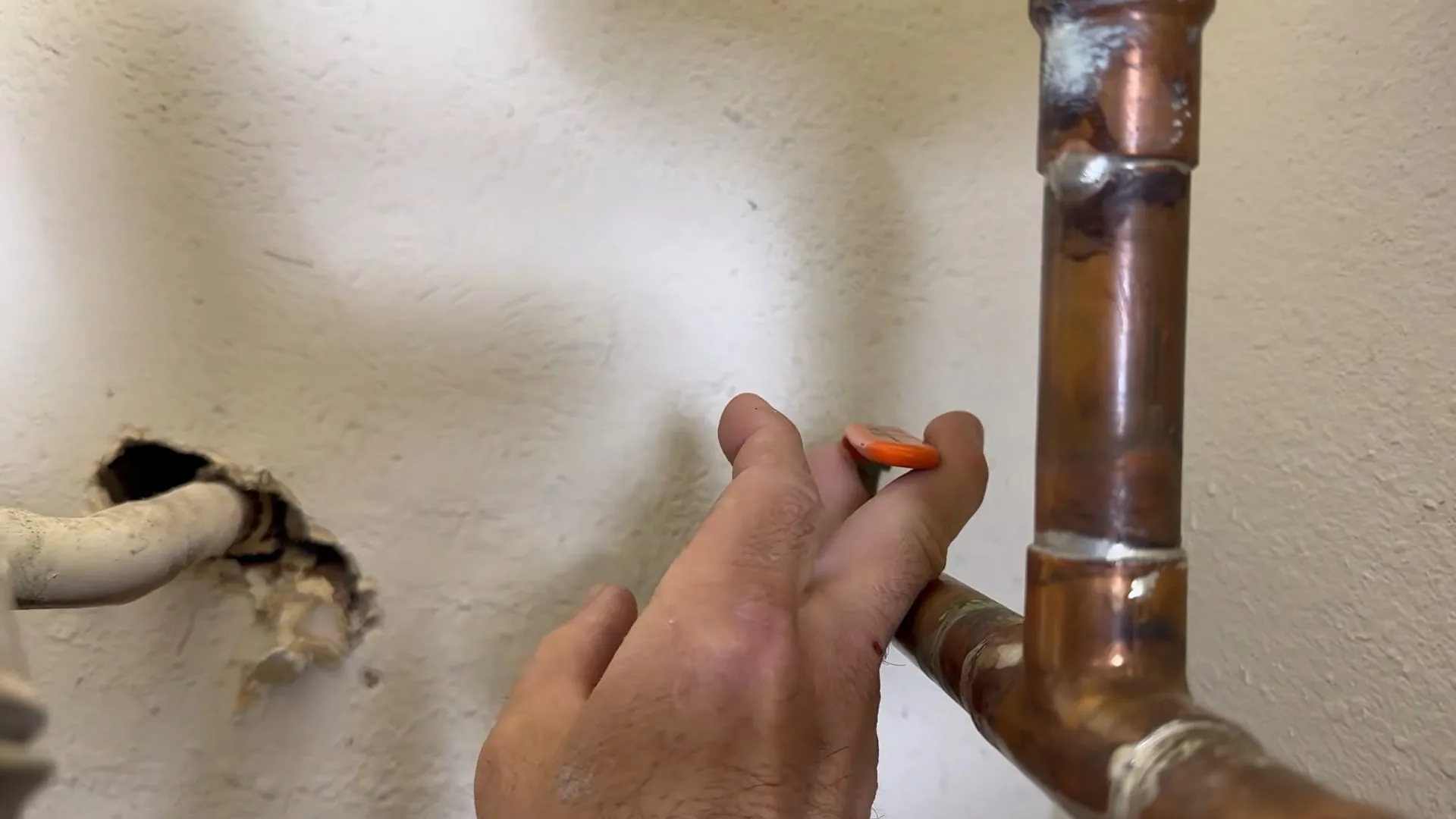
A leak in a rental or a house you own: who has to be called first
In central Elizabethtown the first question after a pipe fails is often not what broke but whose problem it is. Census figures put owner-occupied housing in the city at 49.3%, so about half of households rent. That changes who calls, who pays and who can say yes to a repair.
- Tenants: shut off the water, photograph the damage, then tell the landlord or property manager before agreeing to any work.
- Owners: call your insurer before major demolition and ask what they need documented.
- Landlords: if a tenant calls us, tell us who is authorizing the repair and who to reach for access.
Whoever places the call, the first steps are the same: stop the water, take photos and have the address and ZIP ready.
Plumbing help for City Park, 42701: what the ZIP and the address tell us
City Park addresses fall in ZIP 42701, which is on the coverage list this site currently uses. That list is checked against the lead network's coverage tool and can change, so confirm on the call by giving your street address and ZIP.
When you call, tell us the cross streets or nearest main road if you know them. It helps us place the address, and it speeds up the answer about the next step.
Where the city handles permits, and where the plumbing inspectors sit
Elizabethtown's Planning and Development office, at City Hall on West Dixie Avenue, reviews and inspects most construction in the city. The same city page says plumbing inspectors are based at the Hardin County Health Department, 270-769-3071. Who issues a plumbing permit for a given address is not spelled out in either office's public information, so ask both.
| Job | Ask about a permit? | Page to read first |
|---|---|---|
| Replacing a water heater | Yes, ask before work starts | tank heater replacement steps |
| Moving or adding a bathroom fixture | Yes | bathroom plumbing changes |
| Swapping a faucet in place | Usually a quick question | faucet and sink repairs |
| Repairing a gas line | Yes, and expect an inspection | gas piping repairs |
Keep the permit paperwork. It matters when the home is sold and when an insurer asks what was done.
Apartments, duplexes and shared walls: where a leak is really coming from
In buildings with shared walls and floors, water often shows up in a different unit from where it starts. A stain on your ceiling may come from the unit above. A backed-up tub may be telling you the building's drain is blocked, not yours.
- Check whether neighbors are affected. Several units draining slowly point to the shared line.
- A ceiling stain that keeps growing after you have shut off your own water points to a source you do not control.
- Tell the property manager right away. A shared pipe is theirs to authorize.
- Keep dated photos of every stain as it develops.
For stains with no obvious source, a search for the leak behind the stain explains how the source gets located without opening every wall.
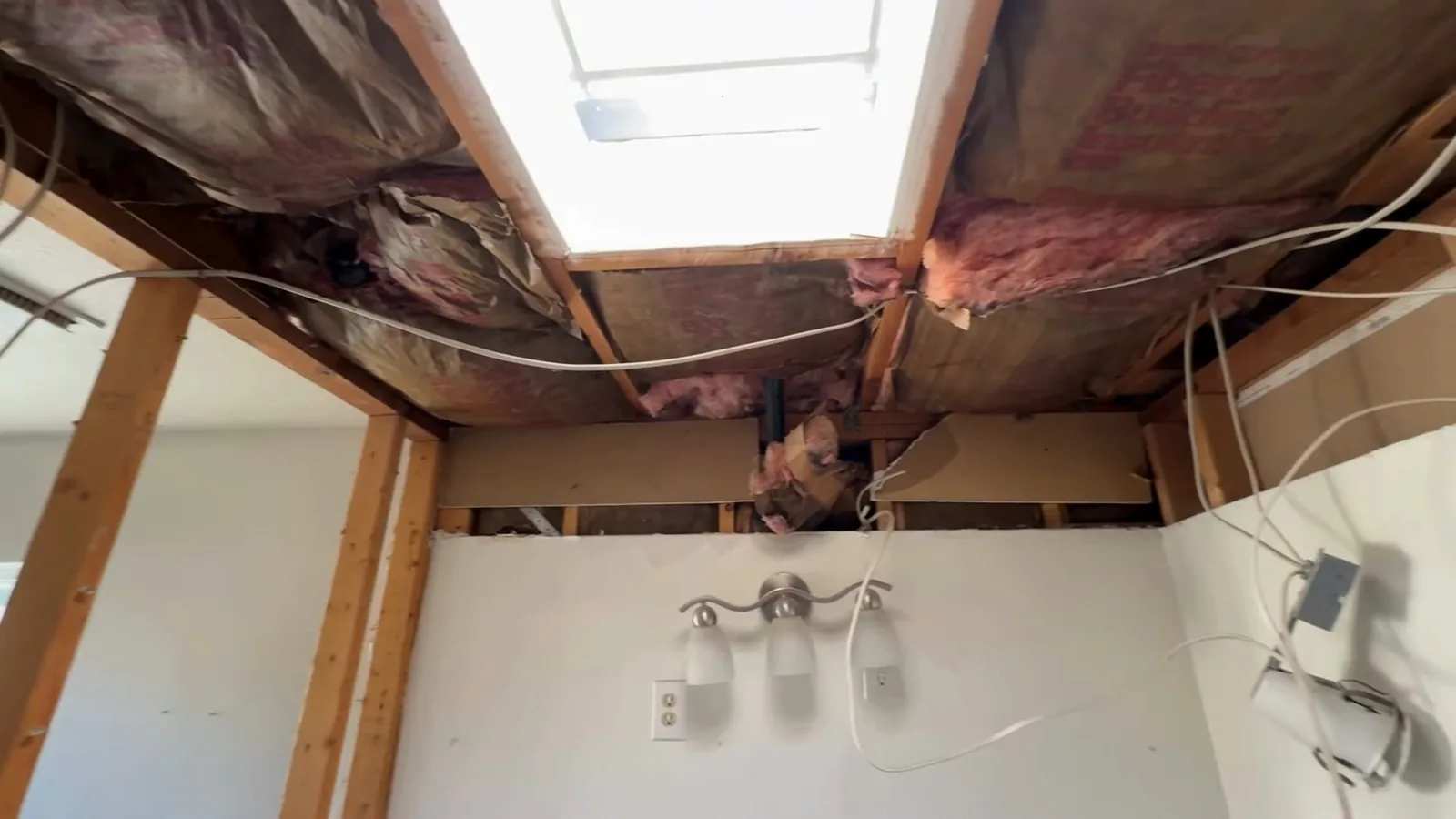
Sewer backups in town: the lowest drain gives the first warning
A floor drain or ground-level tub that fills when a washer or upstairs fixture runs is a sign the line past the house is blocked or damaged. Stop using water, keep children and pets out of the room and call.
A camera run through the cleanout tells you whether the line is blocked or broken. The sewer line inspection and repair page explains the difference and what each path involves.
Digging near utilities in the city: 811 first
Even in town, buried gas, electric, water and sewer lines cross yards and driveways. Kentucky law requires notice to Kentucky811 before most excavation under KRS 367.4911. The plumber should place that call, and no one should dig before the marks are up.
The same few questions come first on every call
- What is the problem, and is water still moving?
- Is anyone at risk, such as from gas, electrical contact or sewage?
- Do you own or rent?
- What is the street address and ZIP?
- What number can we reach you on?
Answering these on the first call is the quickest way to a clear next step. If the answer is a hidden leak or a stain, say so, and the call will go to the right kind of visit.
A short walk of what Elizabethtown residents can reach nearby
City Hall is at 200 West Dixie Avenue, and the Hardin County Health Department handles plumbing inspections. Freeman Lake Park and its trails sit in the same city. None of them changes how a plumbing visit works, but they are useful anchors when you are explaining where you are on the phone.
No hot water in a rental: the order that gets it fixed
A tenant without hot water cannot repair the heater and should not try to. What a tenant can do is make the report clear, so the person who authorizes the work has what they need.
- Check that the breaker has not tripped, or that the pilot has not blown out, and write down what you found.
- Photograph the label on the tank, which shows fuel type and model.
- Tell the landlord or manager in writing, by text or email, with the photos and the date.
- If water is pooling, close the cold supply valve above the tank and say so in the message.
- Ask who will be scheduling the plumber, and offer to be reachable for access.
If you smell gas at any point, leave and call the gas utility. A written record of the date, the symptoms and who was told is the thing most worth keeping.
Keeping a repair record that helps an owner, a tenant and an insurer
The same few records help everyone. Dated photos of the problem, a short description of what happened and when, and a copy of whatever the plumber writes down at the visit make later conversations simple.
- Save the failed part if the plumber removes one.
- Write down what was shut off and when.
- Keep receipts for anything you paid for in an emergency.
- Keep the permit paperwork if a permit was needed.
These records cost nothing to keep, and they are hard to rebuild later.