
Sewer line repair and replacement
Elizabethtown, KY Sewer Line Repair and Replacement: Inspect First, Then Choose the Fix
Backups that keep returning, a sunken strip in the lawn or roots in the line: this page explains how a camera inspection finds the problem and how the repair options differ.
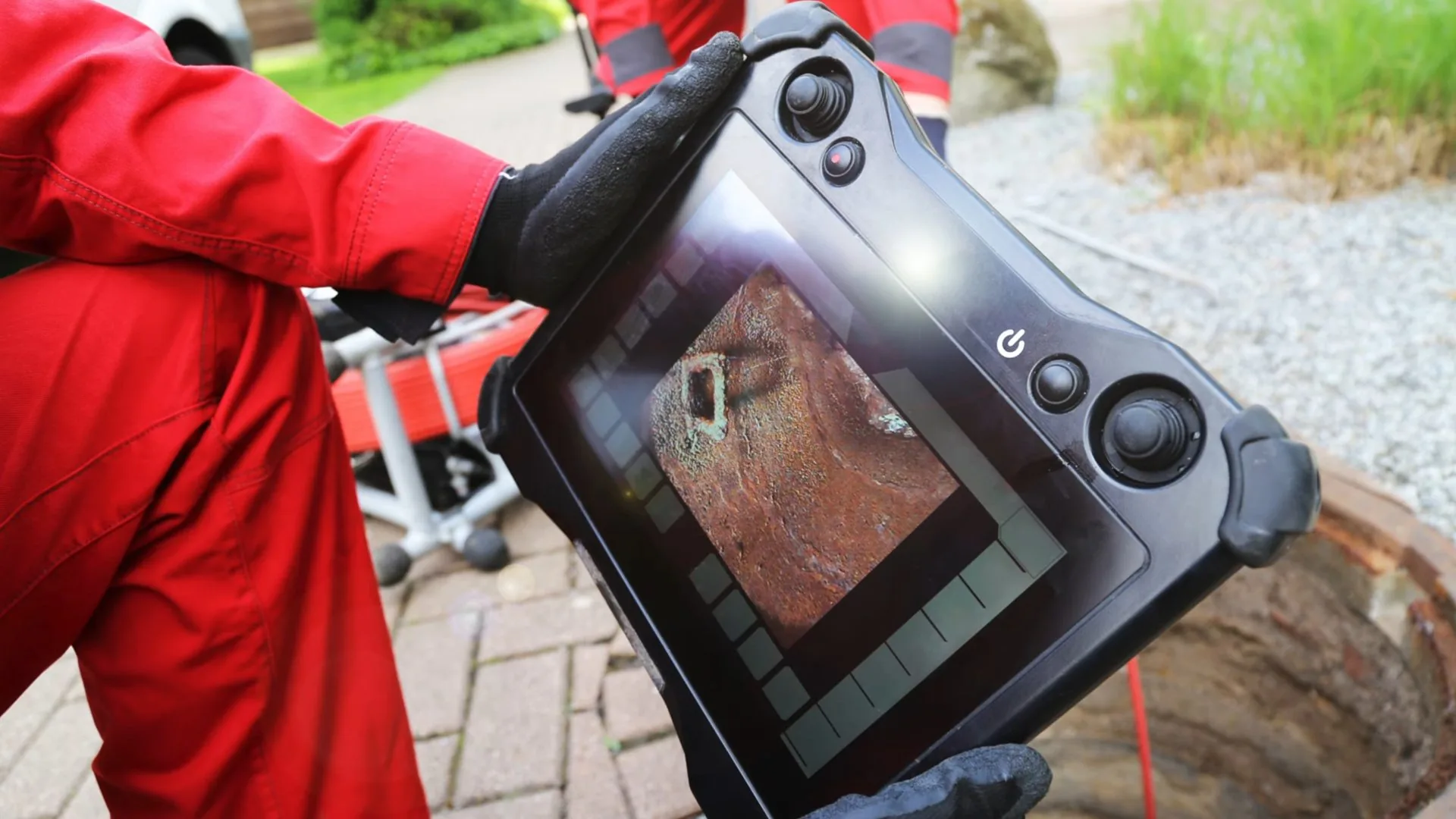
Sewage is backing up or the yard is sinking: what to do first
A failing sewer line shows itself in several ways, and some of them are urgent. Treat the first group as a reason to stop using water and call. The second group can wait for a normal visit but should not be ignored.
Stop using water and call now
- Sewage coming up in a tub, shower or floor drain.
- Toilets that gurgle or bubble when another fixture drains.
- Several fixtures backed up at the same time.
- A strong sewer smell in the yard or basement.
Call for a camera visit soon
- A green, wet or sunken strip in the lawn between the house and the street.
- Drains that clear, then return within weeks.
- A cleaning visit that found roots or a broken section.
While you wait, keep the water use down, keep children and pets away from any standing wastewater and do not run a dishwasher or washing machine.
Where the line is damaged decides what the repair looks like
The sewer system has a few parts, and the repair depends on which part has failed. A homeowner usually cannot see the difference, so a camera inspection is the step that settles it.
| Part of the system | What it is | Typical symptom when it fails |
|---|---|---|
| House drain | The pipe inside the house that collects the fixtures | Backups at the lowest fixtures, slow drains throughout |
| Cleanout | An access point, often a capped pipe near the house or in the basement | Not a failure point, but where a camera usually goes in |
| Lateral | The line from the house toward the street | Sinkholes in the yard, roots, repeated main-line clogs |
| Connection at the main | Where the lateral meets the public sewer | Backups that affect several homes or return after cleaning |
Responsibility for the lateral and the connection is set by local rules and the property deed. Before spending money, ask the city sewer office where the city's responsibility ends and yours begins at your address.
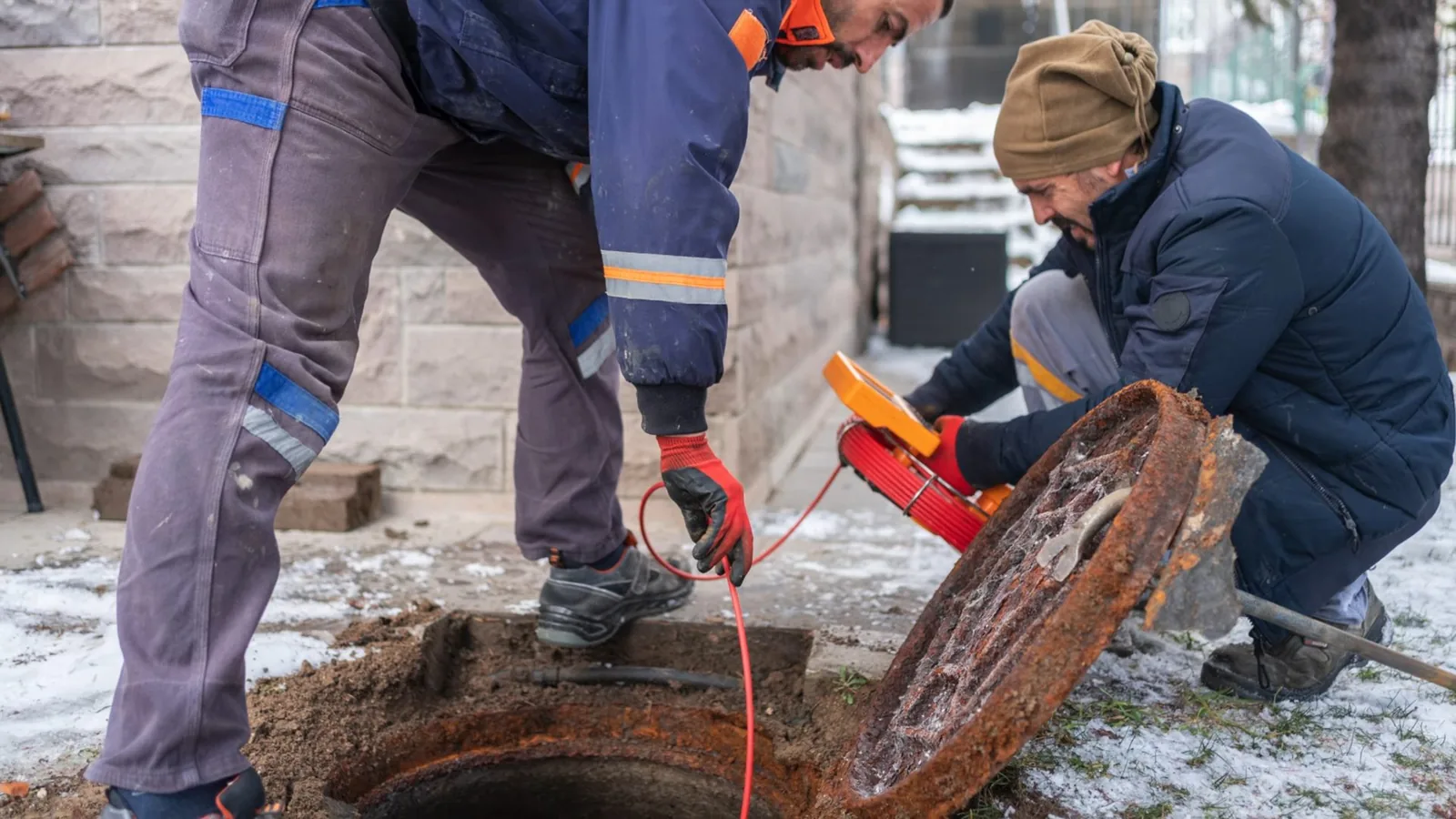
Sewer camera inspection: the step before any digging
A sewer camera runs through the line from a cleanout and records the pipe as it goes. It shows the material, the joints, the slope and whatever is wrong. A repair estimate made without footage is a guess.
- Ask for the recording or at least a saved clip of the problem spot.
- Ask how far from the cleanout the problem sits, so you can compare quotes on the same section.
- Ask whether the line is cast iron, clay, plastic or something else.
- Ask what the pipe looks like on both sides of the damage, not only at the damage.
A camera visit before buying or selling a home is also worth considering. Older lines can look fine from the surface and fail inside.
Main line cleaning and snaking when the line is blocked, not broken
Not every sewer backup needs a repair. Roots, grease, wipes and paper can block a sound pipe. A larger machine runs through the cleanout and clears the main drain line, and a camera pass afterward confirms the pipe is intact.
If the same line backs up again, that is a hint that the cause is structural. A line that is blocked once is a cleaning job. A line that is blocked repeatedly at the same spot is a repair job. For repeat grease or scale problems on a sound pipe, pressure cleaning the pipe wall may fit better than another cable pass.
Cast iron, clay and old joints: what shows up in older pipe
Houses built decades ago often have cast iron or clay drain lines. Cast iron rusts from the inside and flakes, narrowing the pipe. Clay lines have many short sections, and each joint is a place for roots to enter.
- Rust scale and a rough interior in cast iron.
- Cracked or offset clay sections.
- Joints that have separated and let soil in.
- A low spot where the pipe has settled and holds water.
The age of your pipe is not always known from the outside. The footage tells you, and it tells you whether a repair, a section replacement or a full line replacement fits.
Lateral repair: spot repair, replacement or lining
Once the camera shows what is wrong, there are three broad paths, and the right one depends on how long the damage runs.
- Spot repair. A short broken or offset section is dug up and replaced.
- Replacement. A long run with damage along its length is replaced by digging a trench or by a pipe-pulling method.
- Lining. A resin liner is cured inside the old pipe, which can avoid digging across the yard. The page on a liner instead of a trench explains when it fits.
Ask your plumber why one path is being offered over the others, and what the camera showed that points to it. A reason you can repeat to your insurer or a second plumber is a good sign.
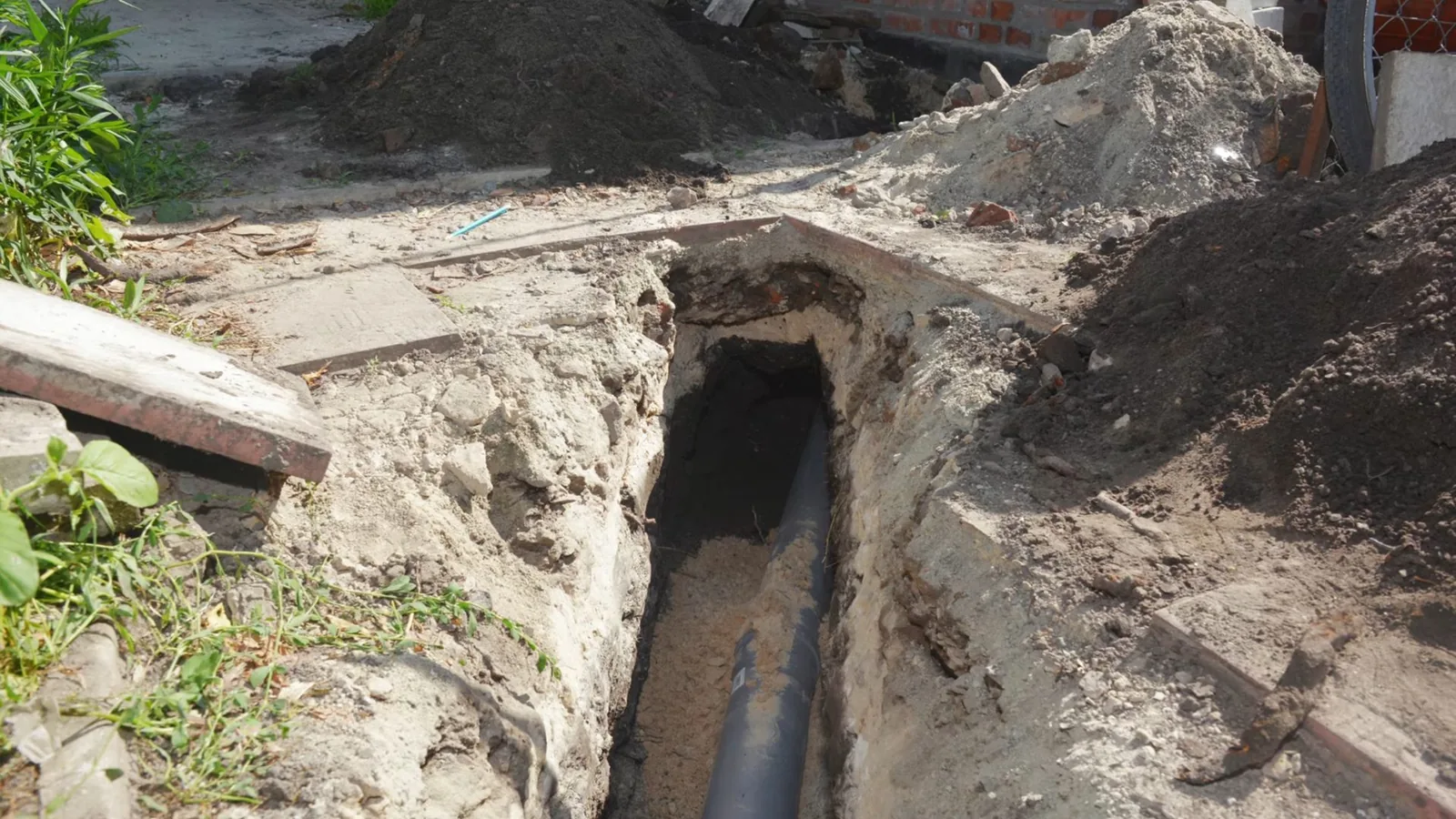
Digging in Hardin County: 811, karst ground and the permit question
Excavating for a sewer repair means calling Kentucky811 first. Kentucky law requires notice before most digging under KRS 367.4911, and the one-call center marks the gas, electric and other buried lines that may cross the trench. The plumber should place that call, and you should not start digging before the marks are up.
Hardin County also sits on mapped karst terrain, according to the Kentucky Geological Survey. In karst country the ground can include voids and irregular rock, which affects how a trench is dug and how the pipe is bedded. A sinking spot in a lawn can come from a broken sewer, but it can also come from natural ground movement, so the footage matters.
Ask whether the repair needs a permit or inspection. The Hardin County Health Department lists plumbing inspectors at 270-769-3071, and that number is a place to start for who handles your address.
Commercial and industrial sewer lines
A shop, restaurant or light industrial building has larger lines and different loads. Grease from a kitchen, solids from a process or heavy use in a building with many fixtures can all stress a sewer line faster than a house does.
If you manage a commercial property, tell us how many fixtures are on the line, what kind of use the building has and whether the line has been inspected before. A shutdown stops the business, so a camera visit on a commercial line is worth considering before problems appear.