
Water heater installation and replacement
Replacing a Water Heater in Elizabethtown, KY: Pick the Right Tank, Venting and Safety Parts
When a tank cannot be repaired, the choice of fuel, size and the parts around it matter more than the brand. This page walks through the decisions before the old unit comes out.
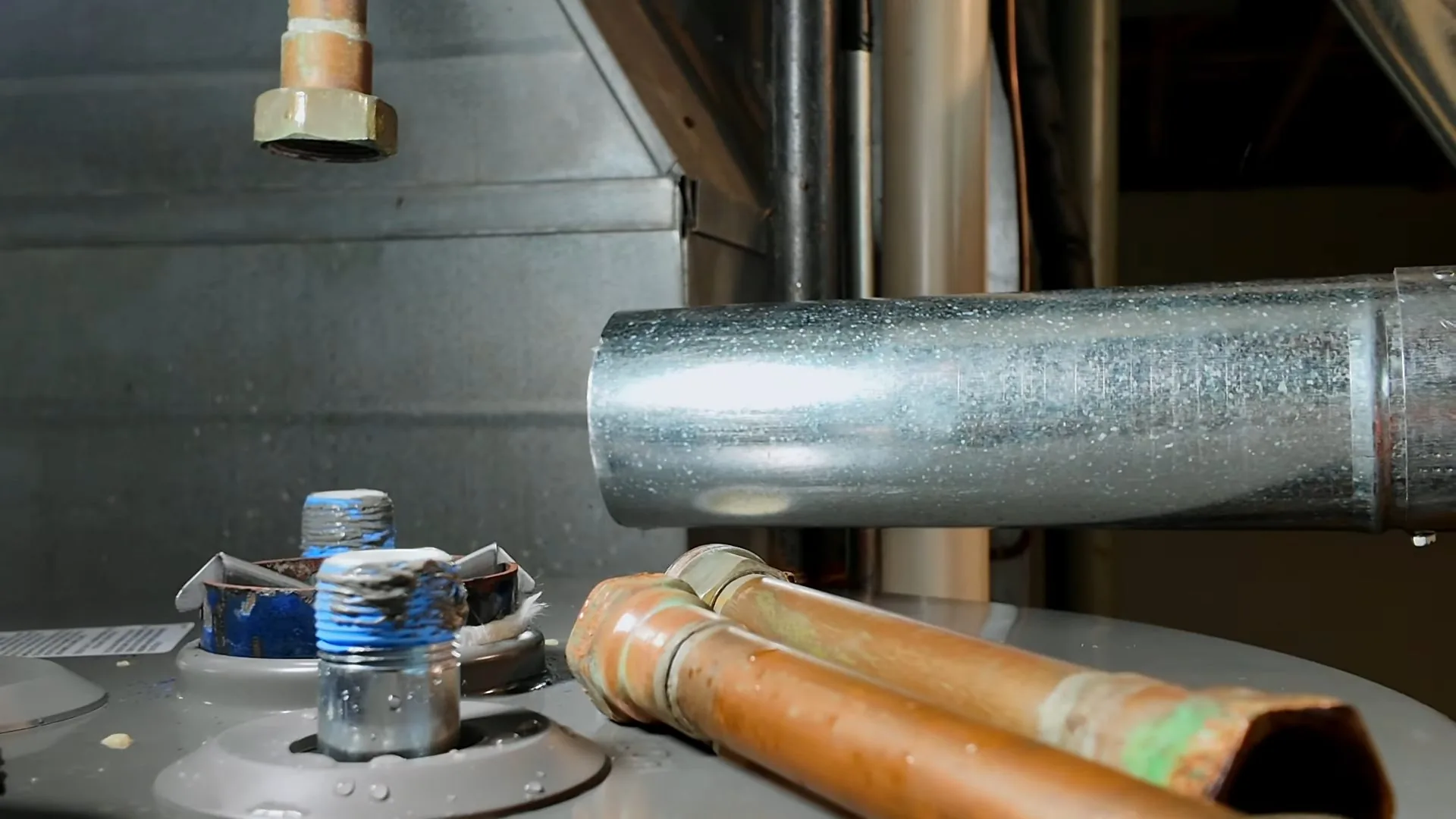
Old tank failed with no hot water: decide in this order
A tank that is leaking from its body, or a heater that has run out of repairable parts, leaves one real decision: what goes in its place. Settle the questions below before anyone orders a unit, because they drive the size, the fuel and the work around the heater.
- Confirm the tank is the problem. A leak from a fitting or valve is a repair. A leak from the tank wall is not. The page on telling a repair from a replacement shows the difference.
- Photograph the label. Fuel type, capacity and model number tell a plumber what is being replaced.
- Note how the household uses hot water. Number of people, back-to-back showers, a soaking tub, a dishwasher or laundry running together.
- Look at the space. Closet, garage, basement or crawl space, and how much room there is around the tank.
- Call and describe all four.
If water is already on the floor, shut the cold supply valve above the tank and switch off its power or gas first.
Gas, electric or hybrid: what each choice changes in the house
| Type | What it needs | Where it fits |
|---|---|---|
| Gas tank | A gas line, a vent to the outside and combustion air | Homes that already have a gas heater and a working vent path |
| Electric tank | A dedicated circuit sized for the unit | Homes without gas, or where venting is hard |
| Hybrid (heat pump) tank | Electric circuit, drain for condensate and enough air volume around the unit | Spaces with room and airflow, such as a basement or large garage |
| Switching fuel types | New gas line, vent or electrical work | A project of its own, which should be quoted as such |
Staying with the existing fuel is usually the simplest swap. Changing fuel pulls in other trades and other inspections, so ask for the extra work to be listed as separate lines.
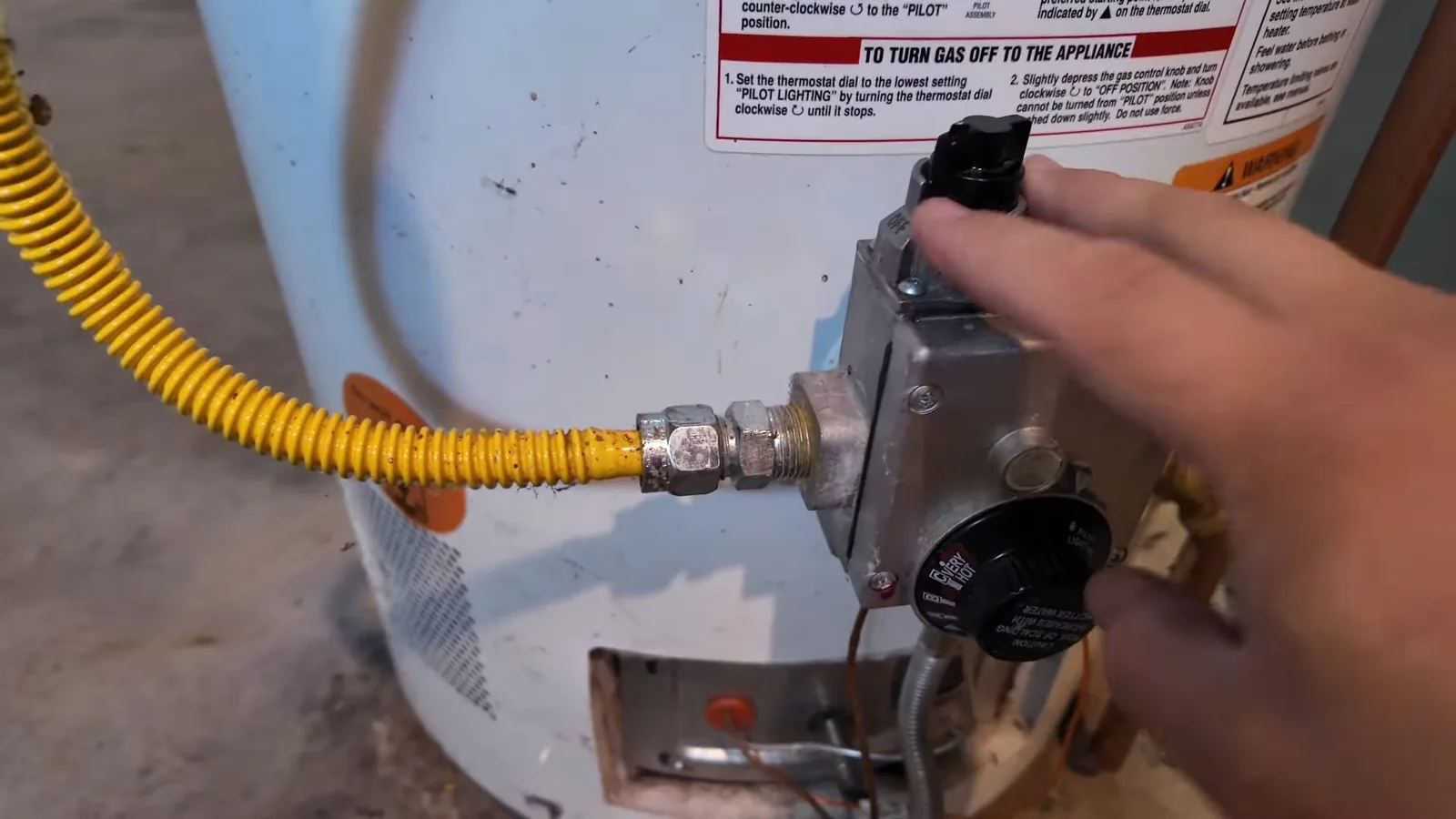
Sizing a replacement tank for how your household actually uses hot water
Bigger is not automatically better. A tank that is too small runs out mid-shower, and one that is too large keeps more water hot than the house uses. The label on the old unit is a starting point, not a requirement.
- If the old tank often ran out, say so. That is a reason to size up or to look at a different type.
- If it never ran out and the household has shrunk, the same size or smaller may serve.
- Recovery speed matters as much as tank size for back-to-back use.
- A tall unit that will not clear a ceiling or a door may need a shorter, wider model.
Ask the plumber to explain the choice in terms of your own use. A recommendation that ignores how many people live in the home is a catalog pick, not a sizing decision.
Gas heater installation: venting, gas connection, combustion check
A gas heater burns fuel inside the house, so the install is about more than swapping the tank. The vent has to carry exhaust out, the gas connection has to be tight and the burner needs air.
- Vent path. Check the existing vent for slope, joints, corrosion and a clear outlet.
- Gas connection. A new shutoff, a flexible or rigid connector as the plumber chooses and a leak test at every joint.
- Combustion air. A closet or tight room can starve the burner of air.
- Draft and flame check. The flame should be steady and the vent should draw.
If a gas smell shows up at any point, leave the building and call the gas utility from outside. Problems in the supply piping itself belong on the gas piping page.
Tank failed and no hot water?
Call and tell us the fuel type and what is on the label.
The parts around the tank that are easy to skip
A new heater is only as safe as what connects to it. Several items are routinely replaced with the tank, and a good quote lists them.
- Temperature and pressure relief valve and its discharge pipe, run to a safe point.
- Shutoff valve on the cold supply, so the next job does not need the whole house off.
- Water connectors that are in good shape and the right type for the fittings.
- Drain pan where a leak would reach finished floor or a living space.
- Expansion tank where the plumbing is closed to the street and thermal expansion has nowhere to go.
The expansion tank is the one homeowners most often hear about for the first time at the install. Ask whether the house has a backflow device or pressure-reducing valve on the incoming line, because either one makes the system closed.
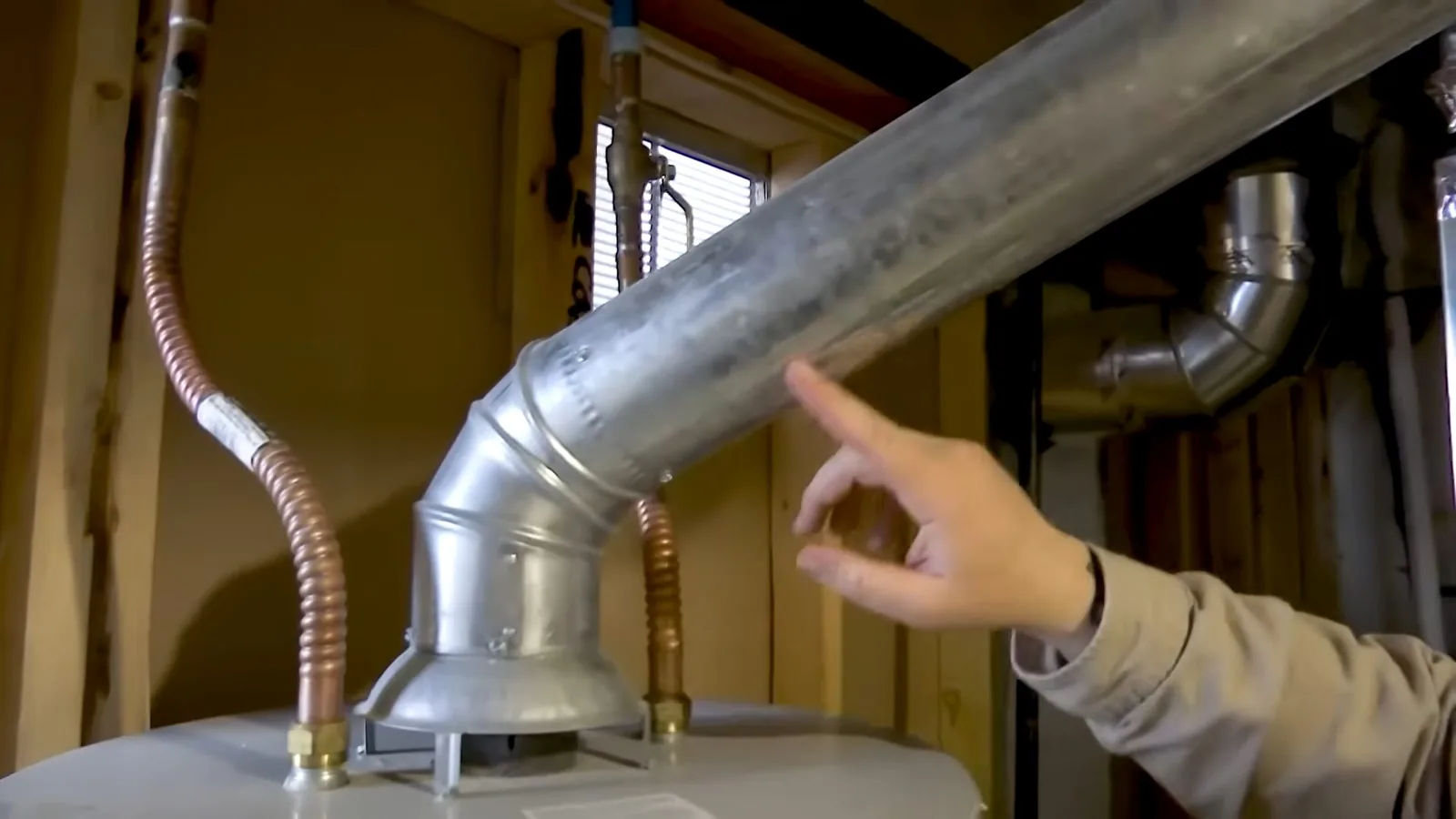
Old tank out, new tank in: what the visit looks like
- The tank is shut off, drained and disconnected.
- The old unit is carried out and the area is cleaned.
- The new unit is set, leveled and connected to water, power or gas, and vent.
- The relief valve, pan and expansion tank are installed where required.
- The unit is filled, purged of air and brought up to temperature.
- The plumber checks connections, vent draw or electrical load and shows you the shutoffs.
Ask whether the old tank leaves with the plumber, and whether the work needs a permit or inspection. The Hardin County Health Department lists plumbing inspectors at 270-769-3071, and that is a place to ask who handles your address.
Questions that make quotes comparable
- What size, fuel and type is being installed, and why?
- Which of the items above are included and which are extra?
- What happens to the old tank and the debris?
- What is covered by the manufacturer, and what is covered by the installer?
- Who pulls the permit, if one is needed?
- What should I do if the unit leaks after the visit?
If you are weighing a tank against an on-demand unit, the on-demand alternative page lays out how the two differ.